

During a crisis, it is quite difficult to handle the emotional and mental aspects of the situation which affect decisions, work, and wellbeing. Weekly planner templates are now essential as they facilitate order and direction at work. Task arrangement, scheduling of personal needs, and the promotion of concentration help build coping social and organizational skills and therefore help the person in dealing with their individual, occupational, or social strain.
Understand the Role of Weekly Planner Templates in Crisis Management
A crisis is identified as a period in an organization that is characterized by a rush of numerous demands, decisions, and tasks that are pressured. Sometimes the initial response is to panic or become paralyzed and thus no one is sure about what to do or prioritize in the best way. This is where a weekly planner template comes in handy.
A weekly planner helps you:
- Structure Your Week: A crisis may seem chaotic, but a weekly planner template provides a clear structure for the days ahead. It allows you to break down your tasks into manageable chunks, helping to reduce the anxiety of the unknown.
- Set Priorities: By categorizing tasks based on urgency and importance, a planner helps you focus on what truly matters during a crisis, ensuring critical needs are addressed first.
- Create Emotional Space: A weekly planner encourages balance. Scheduling time for work, self-care, and reflection, helps prevent emotional burnout, offering an escape from the crisis through moments of self-nurturing.
Manage Time Under Pressure With a Weekly Planner
Crisis management always comes along with a very tight schedule in almost all organizations. This is why if one has no plan on how their day should unravel it is very easy to get to the end of the day and have very little to show for it. The week planner template enables you to schedule your time in the best possible manner, more so during the most turbulent periods.
- Time Blocking for Focused Action: In a crisis, it’s easy to feel like you need to be doing everything at once. However, focusing on one task at a time is essential for productivity and mental clarity. Weekly planners allow you to time-block specific periods for critical tasks, preventing multitasking and fostering deep focus. For instance, you can designate specific blocks of time to handle urgent communication or plan for moments of stress relief.
- Buffer Time for Adaptability: Crises are unpredictable, and plans often need to change. By adding buffer time into your weekly planner, you create flexibility, allowing for unforeseen changes without disrupting your overall schedule. For example, if you plan to handle an urgent work issue in the morning, you might leave the afternoon open for unexpected calls or family needs.
- Ensuring Regular Check-ins: A weekly planner helps you track progress throughout the week. This can involve weekly check-ins with yourself to assess whether you’re meeting your goals or if adjustments are needed. Having this built-in time to evaluate your emotional state and task completion helps you stay grounded.
Effective Task Prioritization in Crisis Situations
It is always true that in a given crisis, every activity is not a high priority and hence actionable. Organizing your time in a weekly planner allows you to effectively divide the work in a way that shows high levels of efficiency by focusing on what is important but does not leave aside aspects as important as the welfare of your emotions and your body.
- Identify Urgent vs. Important Tasks: In a crisis, tasks can be categorized into urgent (requiring immediate attention) and important (crucial for long-term resolution). The key is to focus on tasks that are both urgent and important first, followed by those that are important but not immediately urgent.
- Use the Eisenhower Matrix: The Eisenhower Matrix helps sort tasks into four categories:
- Urgent and Important: Deal with immediately.
- Not Urgent but Important: Schedule for later.
- Urgent but Not Important: Delegate if possible.
- Not Urgent and Not Important: Eliminate or postpone.
- Delegate Tasks: A crisis often involves multiple demands, so it’s critical to delegate tasks that others can handle, allowing you to focus on higher-priority actions. Trusting others with non-critical tasks is a key part of managing stress and maintaining effectiveness.
- Break Down Complex Tasks: Large tasks can seem overwhelming. Breaking them down into smaller, manageable steps ensures that you remain organized and focused. This approach makes it easier to track progress and prevent burnout.
- Stay Flexible: Crises are unpredictable. Be prepared to reassess priorities as new information or situations arise. Flexibility is crucial to effective crisis management.
- Maintain Self-Care: Amid the urgency of a crisis, don’t neglect your physical and emotional well-being. Taking short breaks, eating well, and getting rest are essential to maintaining clarity and effectiveness in decision-making.
Weekly Planner Templates for Crisis Management
Managing a crisis requires organization, resilience, and focus. Weekly planner templates offer practical solutions for staying on top of tasks, prioritizing self-care, and maintaining emotional stability during challenging times.
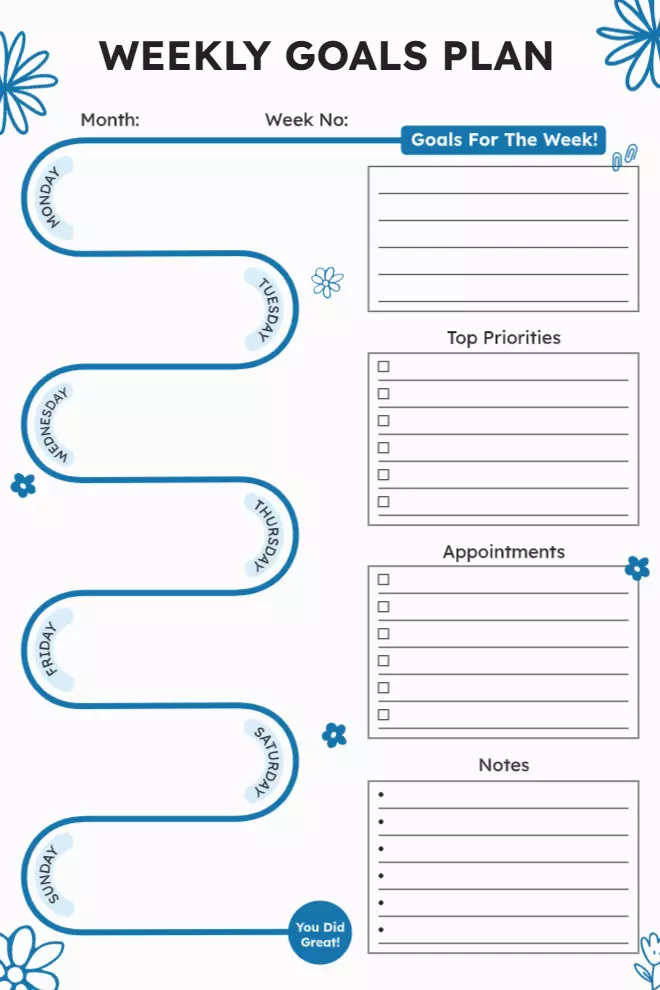
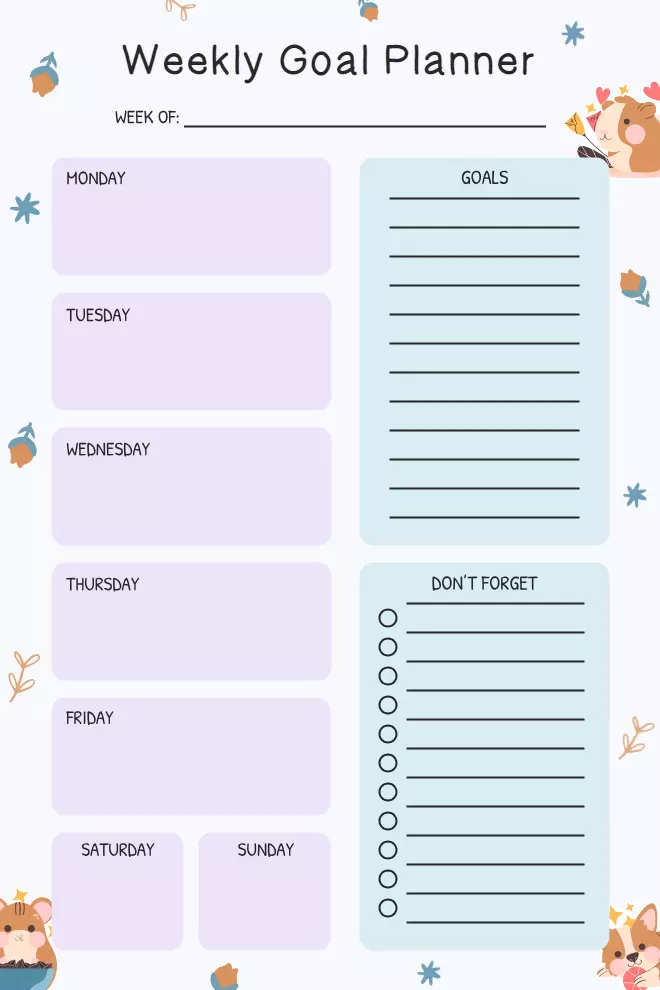
Weekly Goals Planner Templates
This template helps you set clear goals for the week, focusing on essential tasks, priorities, and actions that guide you through a crisis effectively.
Weekly Self-Care Checklist Templates
Designed to ensure your emotional and physical well-being during a crisis, this checklist reminds you to incorporate self-care into your week with essential restorative activities.


Crisis Time-Blocking Planner Template
Organize your day by blocking out specific times for critical tasks, self-care, and breaks, reducing overwhelm and improving focus during chaotic situations.

Weekly Meal Planner Templates
A weekly meal planner template can help in crisis management by ensuring consistent nutrition, reducing stress, and minimizing resource waste during uncertain times.


Build Emotional Strength in Crisis with a Clear Weekly Plan
Building emotional strength during a crisis requires structure and clarity. Using a weekly planner app helps organize tasks effectively, fostering mental and emotional resilience. This structured approach provides security and assurance, ensuring your basic physical and psychological needs are met. With a clear plan, you can stay steady and focused, even amidst life’s storms.
Restoring a Sense of Control
Feeling out of control during a crisis can heighten emotional distress. A clear plan offers a sense of structure and predictability. Knowing exactly what tasks need attention each day reduces anxiety, allowing you to regain control. By having a roadmap to follow, you can navigate challenges with greater focus, minimizing feelings of helplessness and maintaining emotional stability.
Establishing Routine for Emotional Stability
Routine is essential for emotional strength in a crisis. A consistent schedule, whether for work or personal care, provides a sense of normalcy amidst chaos. A clear plan helps you maintain routine even when external circumstances are unpredictable. With regular self-care, breaks, and healthy habits built into your plan, you can create emotional stability, reducing stress and burnout.
Prioritizing Self-Care
It’s easy to neglect self-care in a crisis while focusing on survival. A clear plan incorporates time for essential self-care activities, such as exercise, mindfulness, and relaxation. These moments are crucial for emotional resilience. Prioritizing self-care prevents emotional burnout, allowing you to stay grounded and better handle stress. Incorporating self-care into your plan strengthens your ability to face challenges.
Reducing Overwhelm with Task Management
Crises often involve multiple urgent tasks, leading to overwhelm. A clear plan helps break these tasks into manageable steps, focusing on one thing at a time. Prioritizing tasks based on urgency and importance reduces the feeling of being swamped. This task management approach prevents emotional overload and allows you to tackle the crisis systematically, without becoming overwhelmed.
Boosting Confidence Through Small Wins
Small successes during a crisis build confidence and emotional resilience. A clear plan allows you to break tasks into achievable steps, celebrating small wins along the way. Completing tasks, no matter how minor, reinforces your capability to handle the crisis. This sense of accomplishment boosts self-esteem, creating a positive feedback loop that strengthens emotional well-being and resilience.
Flexibility and Adaptability in a Crisis
A rigid plan can increase frustration during a crisis, as unexpected challenges arise. Building flexibility into your plan allows you to adapt to changing circumstances. When things don’t go as expected, adjusting your approach keeps stress levels in check. This adaptability ensures you can continue moving forward, maintaining emotional strength without feeling defeated by unforeseen setbacks or changes.
Building a Support System
Having a support system during a crisis is essential for emotional resilience. A clear plan should include reaching out for support from loved ones or professionals when needed. Connecting with others provides emotional relief, guidance, and perspective. Incorporating support into your plan prevents isolation, reduces stress, and fosters emotional strength, ensuring you don’t face the crisis alone.
Reflection and Continuous Adjustment
Crisis management requires constant reflection and adaptation. Regularly assessing how you’re feeling and how your plan is working allows for necessary adjustments. If emotional stress or overwhelm occurs, making changes to your approach helps maintain balance. This ongoing reflection ensures your emotional needs are addressed, allowing you to remain resilient and adaptable as the situation evolves.
Conclusion
Juggling errands, work, and other responsibilities can lead to burnout, so using weekly planner templates can help build habits that will boost mental health and emotional fortitude to overcome the crisis. When a crisis arises, it can feel like you are in a storm; however, failing to have a plan and mindset that limits the storm and assists you in finding direction, support, and strength is a poor approach.