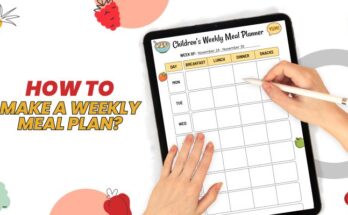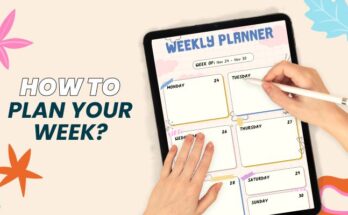
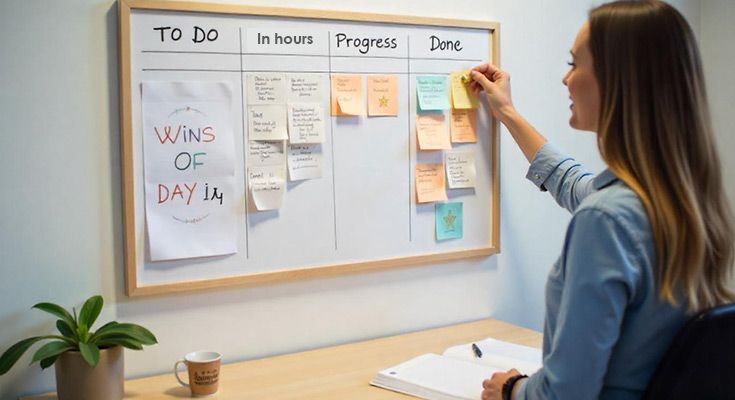
Effective daily planning habits can turn chaotic schedules into productive, purposeful days. Begin with a morning routine to set your focus, set SMART goals for clarity, and prioritize tasks using the Time Management Matrix. Using daily planner templates can make this process easier and more structured. Acting proactively helps avoid disruptions and keeps your day on track.
This guide shares seven habits used by people who master daily planning, drawing from tools like the PlanWiz daily planner app and Stephen Covey’s principles to help you align your day with your bigger life goals.
The 7 Habits That Will Help You Plan Your Day and Stick to It
These seven habits are the foundation of consistent and effective daily planning.
Habit 1: Start Your Day with a Morning Routine
A purposeful morning routine is the cornerstone of effective daily planning. Those who stick to their plans begin their day with intentional activities. This habit creates mental clarity, helping you focus on what’s important before distractions creep in. Successful people know that how you begin your day sets the tone for the rest of it.
Why It Works:
- Mental clarity: Morning routines give you a focused start.
- Consistency: Establishing a ritual helps build momentum each day.
How to Implement :
- Wake up 15 minutes earlier to create space for your routine
- Choose one activity: journal three priorities, meditate for five minutes, or stretch
- Plan out the day’s goals before diving into work.

Example: A CEO journals for 10 minutes each morning, listing key meetings and personal goals, ensuring a proactive start.
Habit 2: Set SMART Goals
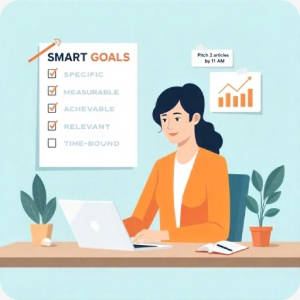
Setting clear goals is vital for making progress each day. The SMART goal framework ensures your goals are Specific, Measurable, Achievable, Relevant, and Time-bound. Using goal planner templates can help you structure these goals effectively, ensuring they are actionable and tied to your life vision.
Why It Works:
- Clarity: SMART goals break down large tasks into manageable steps.
- Accountability: Measurable goals make tracking progress easier.
How to Implement:
- Break your goals into daily tasks.
- Revisit your goals regularly to ensure you’re on track.
- Use apps like PlanWiz to track goals.
Example: A freelancer sets a goal to pitch two articles by 11 AM, aligning with her vision of building a writing career.
Habit 3: Prioritize Tasks Using the Eisenhower Matrix
Not all tasks are created equal, and effective planners know this. The Eisenhower Matrix helps you prioritize tasks based on urgency and importance, ensuring you tackle the right things at the right time. Using task planner templates can support this method by giving you a clear structure, helping you avoid the trap of busywork, and maintaining control over your schedule.
Why It Works:
- Prevents distractions: Focuses your attention on what matters most.
- Reduces overwhelm: You won’t waste time on trivial tasks.
How to Implement:
- Urgent and Important: Do these tasks first.
- Not Urgent but Important: Schedule these for later.
- Urgent but Not Important: Delegate or ignore them.
- Neither Urgent nor Important: Eliminate them.
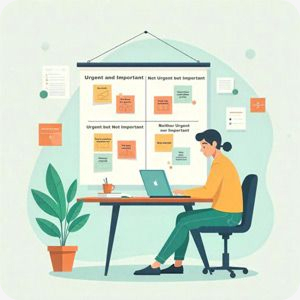
Example: A student preparing for exams studies key subjects first (urgent and important), plans project work for later (important but not urgent), mutes non-academic group chats (urgent but not important), and skips irrelevant club meetings (neither urgent nor important).
Habit 4: Be Proactive
Moreover, proactive behavior sets effective planners apart. They don’t wait for problems to disrupt their day; they anticipate and prepare. By building buffers for unexpected events, like a delayed meeting, and setting boundaries, like declining low-priority requests, it’s about focusing on what you can control, anticipating challenges, and planning.

Why It Works:
- Builds ownership: You take responsibility for your actions and time.
- Increases control: You make deliberate choices rather than reacting emotionally.
How to Implement:
- Review your schedule the night before to spot potential disruptions
- Schedule a 30-minute buffer for unexpected tasks
- Practice saying no to non-essential requests politely
Example: A manager reserves an hour each afternoon for last-minute issues, keeping her core tasks intact.
Habit 5: Allocate Time Intentionally
Effective planners treat time like a finite resource, allocating it deliberately through time blocking. They assign specific periods for tasks: 90 minutes for a report, 30 minutes for a workout, ensuring focus and balance. Using to-do list planner templates can further streamline this process by organizing tasks clearly and helping you stay committed to your priorities.
Why It Works:
- Increases productivity: You commit to one task at a time.
- Reduces procrastination: Knowing exactly what you need to do at each point in the day removes ambiguity.
How to Implement:
- Allocate a set time for each task (e.g., 9 a.m. to 11 a.m. for focused work).
- Include buffer periods between blocks for breaks and unexpected tasks.

Example: A teacher blocks 3–4 PM for grading, and then 4:30 PM for yoga, effectively balancing work and well-being.
Habit 6: Review Your Progress at the End of the Day
Additionally, the best planners don’t set their schedule and forget it; they review and adjust daily. Each evening, they spend 5–10 minutes assessing what worked, what didn’t, and why. This reflection helps them celebrate wins, learn from setbacks, and plan tomorrow with precision, keeping their approach dynamic and effective.

Why It Works:
- Boosts motivation: Reflecting on your progress reinforces positive behavior.
- Improves future planning: Helps adjust strategies for the next day.
How to Implement:
- Set aside 10 minutes each evening for review
- Use a simple review sheet to track completed tasks and reflect on how your day went.
- Identify what worked well and what didn’t, and adjust accordingly.
Example: A marketing professional ends each day by reviewing their to-do list, noting that completing tasks early boosts their productivity, while checking emails too often causes distractions. They decide to batch email the next day to stay more focused.
Habit 7: Stay Flexible and Adjust When Necessary
Even with the best plans, things won’t always go according to schedule. People who successfully plan their day using a schedule maker are flexible and know when to adapt.
Why It Works:
- Reduces stress: You won’t feel defeated if things don’t go as planned.
- Encourages resilience: Flexibility helps you bounce back from unexpected challenges.
How to Implement It:
- Leave buffer time in your schedule for unplanned tasks.
- Prioritize tasks that matter most, even if some things need to be moved.

Example: A content creator plans to film in the morning, but a power outage delays work. Instead of stressing, they use the time to script upcoming videos and shift filming to the afternoon.
Case Study: How Priya Boosted Productivity with 7 Daily Planning Habits
Background:
Priya, a freelance graphic designer, struggled with managing client deadlines, creative blocks, and maintaining personal balance. She often felt overwhelmed and unproductive despite putting in long hours.
Challenge:
Priya struggled with missed deadlines, burnout, and poor client communication. Her lack of structure led to reactive planning, last-minute stress, and difficulty growing her freelance busines
Solution:
To regain control of her schedule, Priya applied 7 key productivity habits over 30 days. She started by being proactive, anticipating client delays and setting expectations. A 20-minute morning routine helped her plan the day with intention. Using the Eisenhower Matrix, she prioritized high-impact tasks early, then set SMART goals for measurable outcomes. Time blocking divided her day into creative work and admin, preventing multitasking. Each evening, she performed an end-of-day review and planned for the next day. Priya stayed flexible, leaving buffer time for revisions and using the Pomodoro Technique to stay focused and minimize distractions.
Results:
After 30 days, Priya saw a 40% productivity increase. She met all deadlines stress-free and even gained a new client—proof that these habits made a tangible difference in both work and well-being.
Final Thoughts
Mastering your day starts with building intentional habits. The seven strategies shared, from creating a morning routine to time blocking and end-of-day reviews, reflect powerful daily planning habits that bring structure, clarity, and balance to your schedule. Whether you’re managing personal goals or professional demands, using a daily routine planner like PlanWiz can help you stay focused, consistent, and aligned with what truly matters.
Also Read
How to Organize Your Day Effectively (Without Overwhelm)
How to Set Daily Priorities and Stay Focused With a Daily Planner App
How a Daily Planner App Helps You Build Healthy Routines and Habits
How to Build a Planning Habit with a Daily Planner App for Productivity
People Also Ask
A morning routine sets a proactive tone, allowing you to review goals and prioritize tasks before distractions arise, boosting productivity.
Try journaling for 5 minutes, reviewing your to-do list, or meditating to focus your mind for the day.
Clear goals provide direction, ensuring your daily tasks align with your life vision and prevent wasted time.
Turn off notifications, set specific time blocks for deep work, and tackle high-priority tasks first.
Tracking habits builds accountability and reinforces consistency, helping you stay committed to your daily plan.
Time blocking allocates specific periods for tasks, reducing multitasking and enhancing focus on priorities.
Reviewing helps you assess progress, identify bottlenecks, and refine your approach for better prioritization.