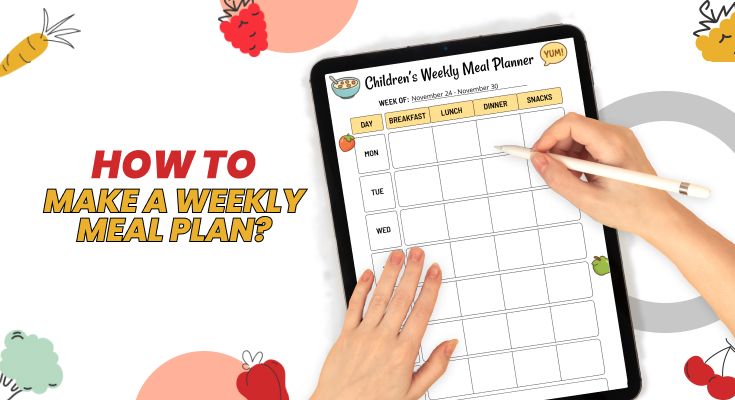
Tired of the nightly “what’s for dinner?” Discover how simple it is to create a personalized weekly meal plan that eliminates stress and saves you hours each week. Our step-by-step guidance shows you exactly how to make a weekly meal plan that fits your real schedule, budget, and family’s preferences.
Meal planning might seem overwhelming at first, especially when juggling work, family, and daily responsibilities. But with the right system and a bit of preparation, you can reclaim 5-7 hours weekly, slash your grocery bill by 25-30%, and enjoy healthier home-cooked meals without the stress. This complete guide will show you how to build a sustainable meal planning system that actually works for your lifestyle.
Why Make a Weekly Meal Plan?
1. Time Savings
Studies show that meal planning saves the average household 5–7 hours per week by eliminating daily “what’s for dinner?” decisions and reducing multiple grocery store trips. When you prep ingredients in advance, weeknight cooking time drops from 60 minutes to just 20–30 minutes per meal. To plan your weekly cooking schedule more easily, try the weekly planner templates.
2. Financial Benefits
Households with meal plans spend 25-30% less on groceries and reduce food waste by up to 50%. By shopping with a specific list, you avoid impulse purchases and use ingredients before they spoil. The average family saves $2,400-$3,600 annually through consistent meal planning. If your goal is to manage food spending better, explore the budget planner templates.
3. Health Improvements
Planning meals in advance makes it easier to incorporate balanced nutrition, control portion sizes, and avoid unhealthy takeout options. Research indicates that people who meal plan consume more vegetables, eat more diverse nutrients, and are 30% less likely to be obese compared to those who don’t plan. For nutritious, structured meal planning, use the meal planner templates.
4. Stress Reduction
Knowing exactly what you’re cooking each night eliminates the 5 PM panic of figuring out dinner. This mental clarity reduces cognitive load and makes evenings more relaxed for the entire household. To stay organized and reduce evening stress, the daily planner templates can help streamline your routine.
Step 1: Assess Your Weekly Schedule
Before selecting a single recipe, you need to understand when you’ll realistically have time and energy to cook. This step prevents the most common meal planning failure: creating ambitious plans that don’t match your actual availability. The weekly schedule maker can help you see your real schedule clearly.
Map Your Weekly Energy Levels
Pull up your calendar and identify three categories of days:
- High-energy cooking days: Days when you have 45-60 minutes and mental bandwidth for more involved recipes. For most people, this is Saturday or Sunday.
- Quick-meal days: Days when you need dinner on the table in 20-30 minutes. These might be after-work days with evening commitments.
- No-cook days: Days when you’ll rely on leftovers, simple assembly meals, or planned takeout. Be realistic, most families need 1-2 of these per week.
The 5-2 Framework
Nutrition experts recommend starting with the 5-2 framework: plan to cook 5 dinners at home and allow 2 flexible nights for leftovers, simple meals, or eating out. This approach is sustainable because it builds in flexibility rather than setting you up for perfection. Many people find it easier to stay consistent when using organized meal planner and weight loss planner templates for their weekly overview.
Pro tip: Schedule your most complex recipe for your highest-energy day, and plan your simplest meals for your busiest days. A sheet pan dinner on Tuesday after soccer practice makes more sense than attempting homemade lasagna.
Step 2: Choose Your Recipes Strategically
Recipe selection is where most meal planners either succeed or give up. The key is building a system that makes choosing recipes fast and automatic, rather than browsing Pinterest for an hour every week. Using the recipe journal templates can make this step much easier.
Build Your Master Recipe List
Create a running list of 15-20 “reliable recipes” your household genuinely enjoys. These are meals you can make almost from memory that use accessible ingredients, and that everyone will eat. Once you have this master list, weekly planning becomes a simple plug-and-play exercise.
Organize your master list by category:
- Quick weeknight meals (under 30 minutes): stir-fries, pasta dishes, tacos, sheet pan dinners
- Batch cooking favorites (make once, eat twice): soups, casseroles, grain bowls, slow cooker meals
- Weekend cooking projects (45+ minutes): roasts, homemade pizza, complex ethnic dishes
- Assembly meals (minimal cooking): salads, sandwiches, cheese boards, breakfast-for-dinner
The Theme Night System
Many successful meal planners use a theme night system to reduce decision fatigue. By assigning a category to each day, you narrow your choices and ensure variety throughout the week.
Sample theme night schedule:
- Meatless Monday: Vegetarian dishes (black bean tacos, vegetable stir-fry, pasta primavera)
- Taco Tuesday: Mexican-inspired meals (tacos, burritos, enchiladas, taco salad)
- One-Pot Wednesday: Minimal cleanup meals (soups, stews, skillet dinners)
- Takeout Fake-Out Thursday: Homemade versions of restaurant favorites (fried rice, pad thai, pizza)
- Pizza Friday: Pizza night (homemade, frozen, or delivered—permit yourself)
- Slow Cooker Saturday: Set-it-and-forget-it meals while you enjoy your day
- Sunday Roast: Larger cooking project with leftovers for the week
Shop Your Pantry First
Before finalizing recipes, inventory what you already have. Check your refrigerator for proteins approaching their use-by date, vegetables that need to be used, and pantry staples. The USDA estimates that American households waste approximately 30-40% of their food supply. Planning meals around what you already own significantly reduces this waste while stretching your grocery budget, something grocery planner templates help you track clearly.
Look for recipes that share common ingredients. If you’re buying cilantro for Tuesday’s tacos, choose a recipe for Thursday that also uses cilantro. This “ingredient overlap” strategy reduces waste and simplifies shopping.
Step 3: Create a Strategic Shopping List
A well-organized shopping list is the difference between a 25-minute focused grocery trip and an hour of wandering aisles. This step transforms your meal plan into an actionable shopping strategy.
The Consolidation Method
Go through each recipe and list every ingredient needed, then consolidate duplicates. If three recipes call for onions, your list should show “onions (3)” rather than listing onions three separate times. This prevents overbuying and makes shopping faster.
Organize by Store Section
Arrange your list by how your grocery store is organized. A typical layout includes: produce, meat/seafood, dairy, bread/bakery, frozen, and center aisles (canned goods, pasta, etc.). Shopping a list organized by section eliminates backtracking and reduces impulse purchases.
Check for Sales and Seasonal Produce
Before finalizing your list, check your grocery store’s weekly circular (most are available online or through store apps). If chicken thighs are on sale but your plan calls for chicken breasts, make the swap. Seasonal produce is typically 30-50% less expensive than out-of-season alternatives and tastes better. Apps like Flip aggregate sale circulars from multiple stores, making price comparison easy.
Budget tip: The perimeter of the grocery store (produce, meat, dairy) typically contains whole foods with better nutrition value than the center aisles. However, pantry staples like canned beans, tomatoes, and dried grains from the center aisles offer excellent nutrition at low cost.
Step 4: Prep Ahead for Weeknight Success
Meal prep doesn’t mean spending your entire Sunday in the kitchen. Strategic prep work, even 30-60 minutes, can save hours during the busy week and make the difference between cooking dinner and ordering delivery.
The Three Levels of Meal Prep
Level 1: Ingredient Prep (30 minutes)
Wash and chop vegetables, portion proteins, prepare marinades, and cook grains. This level works well for people who enjoy cooking but want to reduce weeknight prep time.
Level 2: Component Prep (60-90 minutes)
Cook proteins, prepare sauces, roast vegetables, and batch cook grains. You’re essentially creating a “meal kit” for each dinner that only requires assembly and reheating.
Level 3: Full Meal Prep (2-3 hours)
Cook complete meals and portion them into containers. This approach is ideal for people who prefer to cook once and reheat throughout the week, or for managing lunches and dinners simultaneously.
High-Impact Prep Tasks
Focus your prep time on tasks that save the most time during the week:
- Wash and dry salad greens: Store in containers with paper towels to absorb moisture. Prepped greens last 5-7 days.
- Chop aromatics: Dice onions, mince garlic, and slice peppers. Store separately in airtight containers.
- Cook grains in bulk: Rice, quinoa, and farro reheat well and serve as the base for multiple meals.
- Marinate proteins: Proteins can marinate for 24-48 hours, developing deeper flavor while you wait.
- Portion snacks: Divide bulk purchases into grab-and-go portions for the week.
Step 5: Establish Your Meal Planning Routine
Consistency transforms meal planning from a chore into an automatic habit. The goal is to establish a weekly rhythm that becomes second nature within 4-6 weeks.
Choose Your Planning Day
Most successful meal planners choose either Thursday evening or Saturday morning for their planning session. Thursday planning allows you to shop over the weekend when stores are better stocked, while Saturday planning aligns with a Sunday prep day.
Block 15-30 minutes on your calendar for meal planning. Treat this appointment as non-negotiable, just like any other important meeting. Over time, you’ll complete the planning process faster as it becomes routine.
The Weekly Planning Workflow
Follow this sequence in each planning session:
- Review your calendar for the upcoming week (5 minutes)
- Check refrigerator and pantry for items to use (5 minutes)
- Select recipes from your master list (5 minutes)
- Write your shopping list organized by store section (10 minutes)
- Check for sales and adjust as needed (5 minutes)
Tools That Simplify Planning
While paper and pen work perfectly well, several digital tools can streamline the process:
- Dedicated meal planning apps (Plan to Eat, Mealime, Paprika) save recipes, generate shopping lists, and sync across devices
- Digital planner apps with meal planning templates help you visualize your week alongside other commitments
- Grocery store apps often include list-making features that organize items by aisle
- Simple note apps (Apple Notes, Google Keep) work well for basic list-keeping and sharing with household members
Step 6: Build in Flexibility
Rigid meal plans fail. Life happens, kids get sick, meetings run late, you simply don’t feel like cooking. The most sustainable meal plans build in flexibility from the start.
The Swap Strategy
Think of your meal plan as a menu of options for the week rather than a rigid daily assignment. If Wednesday’s planned salmon sounds unappealing, swap it with Friday’s chicken. The ingredients are all in your refrigerator; you’re just rearranging the order.
Keep Emergency Ingredients on Hand
Stock your pantry with shelf-stable ingredients that enable quick backup meals when plans fall apart:
- Pasta and jarred sauce: A 15-minute dinner that satisfies
- Canned beans and rice: Protein-rich and budget-friendly
- Eggs: Breakfast for dinner is always an option
- Frozen vegetables: Flash-frozen at peak nutrition, always available
- Tortillas: Transform almost any leftover into a quick meal
The “Use It Up” Meal
Reserve one meal slot each week for a “use it up” dinner. This is when you clear out the refrigerator, combining whatever needs to be eaten into a freestyle meal. Stir-fries, fried rice, frittatas, and grain bowls all work well for this purpose. This approach reduces food waste and adds an element of creativity to your cooking.
Step 7: Review and Refine Your System
Meal planning is a skill that improves with practice. Take a few minutes each week to evaluate what worked and what didn’t, then adjust your approach accordingly.
Weekly Review Questions
At the end of each week, briefly consider:
- Which meals did everyone enjoy? (Add these to your master list)
- Which meals flopped? (Remove or modify them)
- Did you have enough time for the recipes you chose?
- Was there significant food waste? (Adjust quantities or recipes)
- Did you stay within your grocery budget?
Common Adjustments
Most meal planners discover patterns in their first few weeks:
- Too ambitious: Scale back to simpler recipes until the habit is established
- Too rigid: Build in more flexibility with backup meal options using a monthly schedule planner to track patterns
- Ingredient waste: Look for more recipes with overlapping ingredients
- Menu fatigue: Add one new recipe per week to keep things interesting
What are The Common Meal Planning Mistakes?
Learning from others’ mistakes accelerates your meal planning success. These are the most common pitfalls that derail new meal planners:
Mistake #1: Planning Too Many Complicated Recipes
New meal planners often fill their week with elaborate Pinterest recipes that look impressive but require 90 minutes of active cooking time. Reality check: after a long workday, you’re unlikely to tackle a complex dish. Start with recipes you can execute in 30 minutes or less. Save ambitious cooking projects for weekends when you have time and energy.
Mistake #2: Ignoring Your Actual Schedule
Planning a 45-minute stir-fry for Tuesday when you have back-to-back meetings until 6 PM is setting yourself up for failure. Your meal plan must reflect your real schedule, including commute times, evening activities, and energy levels. Be brutally honest about which nights allow for cooking and which require 15-minute solutions.
Mistake #3: Not Accounting for Leftovers
If you cook seven unique dinners for a household of two, you’ll either have massive food waste or be eating the same meal for days. Most recipes serve 4-6 portions. Plan to eat leftovers for lunch or transform them into the next night’s dinner. A well-designed meal plan uses leftovers intentionally rather than letting them accumulate.
Mistake #4: Buying Ingredients You’ve Never Used
That recipe calling for tahini, miso paste, and fish sauce sounds delicious, but if you’ve never used these ingredients, there’s a learning curve. Gradually incorporate new ingredients while maintaining a core of familiar recipes. This prevents the “expensive mystery ingredients languishing in the pantry” phenomenon that discourages many new meal planners.
Mistake #5: No Backup Plan
Even the best meal plan will occasionally fall apart. Kids get sick, work emergencies happen, or you simply don’t feel like cooking. Without backup options, freezer meals, simple pantry dinners, or an acceptable takeout option, one disrupted night can derail the entire week. Always have a Plan B.
Frequently Asked Questions
Most people spend 15-30 minutes on weekly meal planning once they have an established system. The first few weeks may take longer (45-60 minutes) as you build your master recipe list and establish routines. This time investment saves 4-6 hours of daily decision-making and unplanned grocery trips throughout the week.
Start with dinner only. Dinner is typically the most complex meal and the one most likely to derail into takeout. Once dinner planning becomes routine, you can expand to include lunch (often using dinner leftovers) and breakfast. Many families keep breakfast and lunch consistent day-to-day, which requires minimal planning.
Focus on “building block” meals that can be customized. Grain bowls, tacos, stir-fries, and pasta all allow each family member to add or omit ingredients. Cook the base meal to accommodate the most restrictive diet, then offer add-ons for others. For significant dietary differences (vegetarian plus omnivore), plan meals where the protein can be cooked separately.
Meal planning works for any household size. Single-person planning often focuses more heavily on batch cooking and portion control to avoid waste. Cooking for one typically means making 2-4 servings and eating leftovers, freezing portions, or repurposing ingredients into different meals throughout the week.
One week at a time is ideal for most households. Planning further ahead (monthly planning) works for some people but requires more flexibility since you can’t predict schedule changes or food moods that far out. Some meal planners create a monthly “framework” (theme nights, general meal types) and fill in specific recipes weekly.
Final Thoughts: Making Meal Planning Sustainable
The key to long-term meal planning success isn’t perfection, but it’s building a flexible system that adapts to your real life. Start small with just three planned dinners per week. Focus on simple, proven recipes initially. Gradually add complexity as your confidence grows.
Remember that even experienced meal planners have off weeks. Life happens, plans change, and takeout nights are sometimes necessary. The goal is progress and consistency over time, not flawless execution every single week.
By investing 4-5 hours weekly in planning, shopping, and prep, you’ll reclaim 5-7 hours of weeknight time, reduce food spending by hundreds of dollars monthly, and enjoy the peace of mind that comes from knowing dinner is handled. The initial effort creates compounding returns that make the investment worthwhile.
Read More:
How to Plan Your Week: The Complete 7-Step Guide for Maximum Productivity