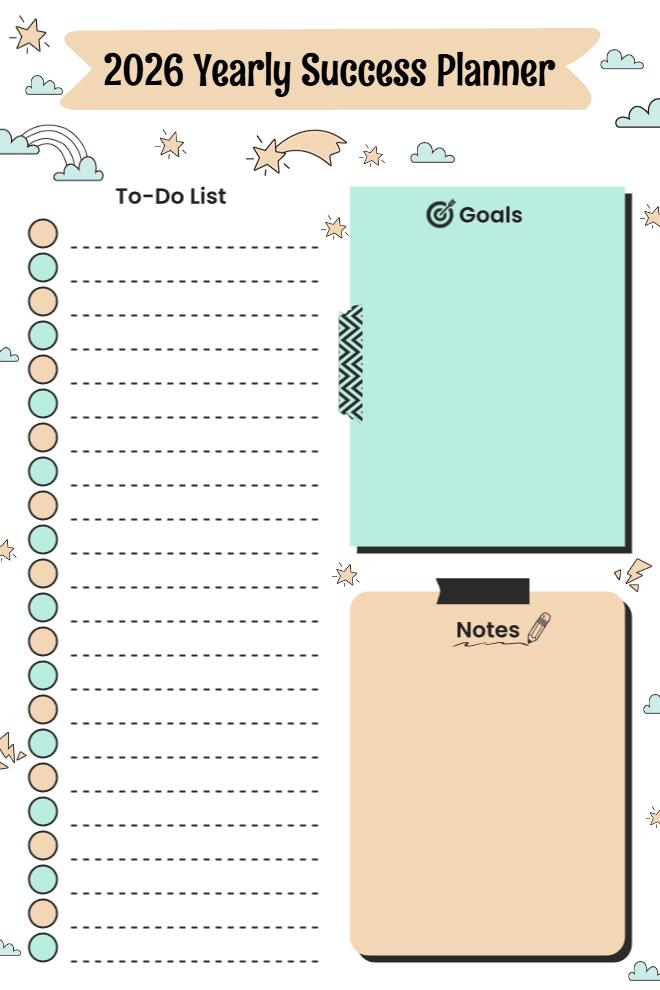
The 2026 yearly success planner template combines goal visualization with daily task management in one comprehensive tool. With dedicated sections for annual objectives, actionable to-do lists, and reflection notes, this planner transforms abstract intentions into concrete action plans. It works seamlessly with Planwiz to provide an organized framework that keeps your priorities front and center all year long.
Frequently Asked Questions
A yearly success planner is a structured tool that helps you organize annual goals, track daily tasks, and monitor progress throughout the year.
It provides a visual framework that keeps your objectives visible and actionable. Using one prevents goal abandonment that typically happens by February each year.
The planner combines long-term vision with short-term task management in one place. This integration helps maintain consistent momentum toward your yearly aspirations, similar to how goal planner templates focus specifically on objective achievement.
Research shows people who write down goals are 42% more likely to achieve them. A yearly planner turns abstract intentions into concrete, manageable action steps.
A yearly success planner focuses on goal achievement and personal development, while calendars primarily track dates and appointments.
The planner integrates goal-setting frameworks with daily task management capabilities. This connection helps you understand how daily actions contribute to bigger objectives.
Unlike calendars that show time slots, success planners emphasize priority management. They help you distinguish between urgent tasks and important long-term goals.
Many planners include reflection sections to evaluate progress and adjust strategies. This metacognitive approach isn’t available in standard calendar formats.
The visual design encourages consistent engagement with your goals throughout the year. Each glance reminds you of commitments rather than just upcoming events.
Anyone with annual goals, professionals, students, entrepreneurs, or personal development enthusiasts benefits significantly from yearly planners.
Career-focused individuals use them to track promotions, skill development, and networking objectives. The structured format keeps professional advancement measurable and on schedule, much like business planner templates tailored for organizational goals.
Students benefit by aligning academic goals with personal growth milestones. Breaking down semester objectives into weekly tasks prevents last-minute cramming, and pairing this with study planner templates creates a comprehensive academic system.
Entrepreneurs and small business owners track business milestones alongside personal goals. This holistic view prevents burnout by maintaining work-life balance visibility.
Prioritize tasks using a system like the urgent-important matrix or simple ABC ranking, where A items get completed first.
Group similar tasks together (calls, emails, errands) to batch process and improve efficiency. Context-switching wastes mental energy and reduces productivity.
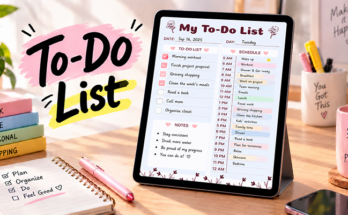
Limit daily to-do items to 3-5 significant tasks rather than overloading the list. Accomplishing fewer important tasks beats partially completing many trivial ones, and dedicated to-do planner templates can help manage these daily priorities effectively.
Use different colored checkboxes or symbols to indicate task categories. Visual coding helps quickly identify work tasks versus personal obligations.
Conduct weekly 15-minute reviews every Sunday evening or Monday morning to assess progress and plan the upcoming week.
Monthly deep reviews (30-45 minutes) help evaluate goal progress and adjust strategies. This rhythm balances consistency with flexibility. Quarterly reviews are crucial for significant course corrections or celebrating major milestones.
After completing major goals, update your planner immediately to maintain momentum. Replace achieved objectives with new challenges. Daily 5-minute check-ins each morning help prioritize tasks and maintain focus.
Add specific career milestones like “complete certification by Q2” or “lead three projects” in the goals section to align with professional development.
Customize the to-do list to include networking activities, skill-building tasks, and project deliverables. This keeps career advancement visible alongside daily responsibilities.
Use the notes section to track salary negotiations, performance review feedback, and accomplishments. These documented wins support future promotion conversations.
Integrate industry-specific metrics like sales targets, client acquisition, or publication deadlines. Personalized metrics make progress tangible and motivating.
Transform the goals section into wellness categories: physical health, mental health, relationships, and hobbies to create balanced personal development.
Use the to-do list for daily wellness habits like exercise, meditation, hydration tracking, or gratitude journaling. Small daily actions compound into significant transformations.
Track mood patterns, energy levels, and stress triggers in the notes section. These observations help identify what activities genuinely improve wellbeing.
“Schedule regular self-care activities like massage appointments, friend dates, or hobby time directly in your planner. What gets scheduled gets done, and dedicated self-care planner templates can help structure these wellness priorities effectively.”
Start with a blank template or paper divided into three main sections: goals, to-do list, and notes, to establish the foundational structure.
Design the goals section with 3-6 dedicated spaces for major annual objectives with clear deadlines. Include space for breaking goals into quarterly milestones.
Create a to-do list with 15-20 checkbox lines for daily or weekly tasks. Leave space between items for adding details or sub-tasks.
Add a notes section for reflections, ideas, and adjustments. Flexible note-taking space is crucial for adaptive planning. Use digital tools like Canva, PowerPoint, or Google Slides for easy editing and printing.
Link planner reviews to existing habits like morning coffee or Sunday meal prep to leverage habit stacking for consistency.
Set phone reminders for weekly reviews until the habit becomes automatic. Technology can support discipline until intrinsic motivation develops.
Keep the planner visible on your desk, refrigerator, or digital desktop background. Out of sight truly means out of mind. Share your goals with an accountability partner who checks in monthly. Social commitment dramatically increases follow-through rates.
Many websites offer free and premium yearly planner templates in PDF, Excel, and editable formats for immediate download and use.
Planwiz provides professionally designed planner templates that are print-ready and customizable for different planning styles. Their templates include the goals, to-do, and notes structure shown in this design.
Look for templates that offer both digital and printable versions to suit your preferred planning method. Flexibility in format ensures consistent use.
Yes, digital planner templates work excellently on tablets with stylus support or planning apps that allow PDF annotation and editing.
Import the template into apps like GoodNotes, Notability, or OneNote for full digital functionality. These platforms support handwriting, typing, and customization.
Digital versions offer advantages like easy editing, backup capabilities, and accessibility across multiple devices. You’ll never lose your planner again. Some users prefer hybrid approaches, digital for daily tasks, printed for monthly goal reviews.