It will not be an overstatement if we state that the best daily planner apps can greatly help chase a balanced and healthy lifestyle while living in the modern world. It is easy to overcommit and find ourselves continuously Overloaded with multiple activities, which keeps us overwhelmed. With the help of a good daily planner app, it is possible to develop and sustain beneficial schedules that will improve the quality of life. The activity plan, which is called PlanWiz, is a simple organizer focused on the daily schedule.
The Challenge of Building Lasting Habits
Saying to establish correct habits is all well and good, but sometimes this can be harder said than done. A innumerable of people lack consistency, often quitting their endeavors due to loss of interest or schedule confusion. The problem seems not only in creating these habits but also in how to make them a part of our lives.
When you start your journey, many of the folks get carried away with noble intentions and set goals such as New Year resolutions and realize that they have regressed that they switch to their prior behaviors after for instance weeks or days! This can be quite demoralizing but it does not have to be our typical tendencies within this cycle. In the case of a daily planner, there is a chance to alter this story and develop a proper method of adopting habits.
Why Digital Planning Tools Make a Difference
Some of the common problems associated with conventional techniques of planning include the daily planner app tool such as PlanWiz is developed to minimize them. They offer several advantages, including:
- Accessibility: It also means you can always turn to your planner whenever, wherever, and thus would never be out of touch with your plans.
- Flexibility: Try to always change your plans where necessary depending on life changes.
- Integration: Connect planner to other apps, to ensure co-ordination of your daily schedules.
- Visual Tracking: Try and make it fun by drawing charts on the board or pop-up reminders on the wall.
So, if you wish to successfully adhere to your goals and see changes over time, the application creates all the conditions for long-term work on the development of proper habits.
Understanding Habit Formation
Developing an understanding of habit formation is the first element that will help to create a good routine in your daily life. It is a cue-routine-reward model where a given stimulus precedes a certain practice and ends up accruing a rewarding experience that reinforces the practice. Frequency matters; the more often a certain activity is repeated, the stronger the probability of getting ‘hardwired’.
The Science Behind Habit Building
Cue, routine, and reward are characteristics that are associated with habits and therefore habits are not easily developed. Studies prove that for the brain to function properly it needs at least a cue–routine–reward process where a cue is a trigger that sets off a certain response routine that will in the end lead to a reward. Knowing about this cycle puts you in a position to capitalize on this cycle and cultivate healthy living.
A daily planner can help you with this process as it makes it easy to notice your cues, and pre-configure daily routines that correspond to the desired goals. It becomes easy to assess your rewards once you set goals for the specific behavior change that you want to monitor.
The Role of Consistency and Tracking
There is no better way to put this; habit is formed through repetition. If you perform a particular activity frequently enough it becomes a part of your lifestyle. Handling a planner is one way of monitoring your progress, not only does it encourage you to remain focused but it makes it easy to point out recurrent behaviors.
For example, if you find that your exercise routine is lagging on Wednesdays, it is possible to switch it around or discover how to get the energy back up again. This way, the data gained from the daily planner show that you are participating in the process of changing for the better, rather than just moving through the motions.
Why Traditional Methods Often Fail
Some of the weaknesses of conventional planning approaches include; Journal planning for example involves using paper and pen. They frequently do not contain the dynamic properties that are likely required for habit change. A lot of individuals complain of a lack of monitoring progress, flexibility, and continuity when using paper-based systems.
However, a traditional planner will not remind you of a due date or a scheduled event as a digital planner will. A daily planner should have features such as reminders where the user sets tasks or goals, and that puts them on an equal level with their reminders.
Start Small to Build Healthy Habits
Small is as strategic as large when it comes to beginning change in any individual’s life. This way, you would start with realistic targets which could be met easily hence encouraging the subject as he/she develops achievements over time. Don’t think of adopting a new way of life where you have to change everything about yourself and your life; try to select one or two habits that can be changed.
Choose Your First Healthy Routine
To create new healthy habits, one must start small and take baby steps. Decide to set a realistic goal instead of attempting to change your entire lifestyle at once. Select one or two good habits that can be implemented to boost mental health and mindfulness, creating a foundation for lasting positive changes.
This may involve agreeing to watch ten minutes of television and going for a walk, or agreeing to spend ten minutes per day on, say, mindfulness or meditation. If you begin with little involvement then you can gain confidence with the steadily building commitment.
Set Realistic Daily Goals
This means that to achieve them it is very important that one sets achievable goals. You shouldn’t set goals such as ‘I will start losing weight’ but rather prioritize goals such as ‘I will go for a 20-minute jog, three times a week.’ It is easier to approach these goals if you have a daily planner app through which you set daily targets that will help achieve the end goal.
The Power of Micro-Commitments
Micro-commitments are activities that are specific, and simple, the accomplishment of which does not require a lot of time. These could be as basic as drinking a glass of water in the morning or stretching for 5 minutes.
What can be done is such commitments can be programmed in a planner so that they become part of the routine. This approach means that you can compile on minor achievements that in the long run can create a path towards the achievement of strategic objectives.
Make Healthy Habits Stick in Your Daily Routine
To make your routine blossom, it’s advised to concentrate on staying loyal to your habits and maintaining your motivation. Making it easier, therefore, begins with the formulation of SMART goals that are sustainable depending on the lifestyles of the individuals involved. The daily planner app will come in handy in scheduling. One’s rightful routines and incorporating activity alarms that will always help one to remember one’s goals and objectives are vital in daily activities.
Setting Up Your Digital Routine
Daily planner ideas can greatly help optimize your capacity to set up good habits in the present and secure in the long term. Here’s how to set up your digital routine effectively:
- Choosing the Right Time Blocks: Discover what time of the day you are most productive and when you prefer to do specific things, for example, you may be a morning person who loves to exercise or you’re a night person who loves preparing meals before going to bed.
- Starting with Small, Manageable Goals: Work through the goals starting with the achievable ones and building to the harder ones.
- Creating Realistic Schedules: Employ the planning elements of a planner by assigning particular days and hours to each regime.
- Setting Effective Reminders: Use notifications and reminders to remind you of the times to do the various routines.
The elements mentioned above can be used when planning to establish a framework for healthy habits.
Building Different Types of Healthy Routines
The healthy living model consists of an individual aiming at different areas of his or her life. It focuses on achieving balance through consistent habits that promote overall well-being. Here are some key daily routines to consider:

Morning Routines
Morning rituals help set a positive pace and attitude for the day. Incorporate daily routines like meditation, exercise, or journaling into your planner to stay organized and focused. Using a planner ensures your morning activities are intentional and productive, fostering a healthier mindset and setting the tone for a successful day.
Exercise and Fitness Planning
Understanding the role of fitness in daily life is essential for overall well-being. Use your planner to organize your workout schedule in advance, ensuring you stay committed to your fitness goals. A well-structured plan helps you prioritize exercise, stay consistent, and maintain a healthy routine, making it easier to integrate fitness into your everyday life.
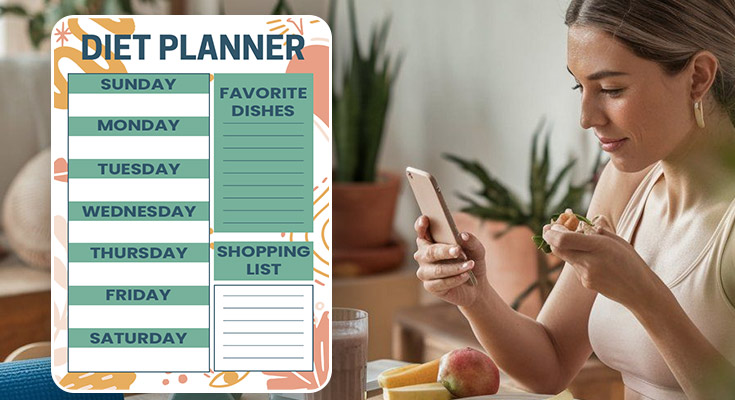
Meal Planning and Nutrition
Nutrition plays a vital role in overall health. Using a planner helps you create and follow weekly meal schedules, ensuring balanced and nutritious choices. This prevents unhealthy, last-minute decisions and promotes better eating habits. By organizing your meals, you can save time, reduce food waste, and stay within your budget. A structured approach also supports long-term wellness goals.
Sleep Schedules
Proper rest is essential to stay alert and perform daily tasks efficiently, whether they are strenuous or routine. Use your planner to establish a consistent sleep schedule, setting reminders for bedtime and wake-up times. A regular sleep routine not only improves productivity but also supports better mental and physical health, ensuring you feel refreshed every day.
Self-Care Activities
Don’t forget about hygiene! Make sure to plan time for activities that rejuvenate you, such as reading, painting, or spending quality time with friends and family. Regular, balanced exercise is also crucial for overall well-being, promoting better physical health, mental clarity, and emotional stability. Incorporating these elements into your daily routine will help you stay refreshed and energized.
Advanced Tips and Strategies for Healthy Routine
There are also some sophisticated techniques available. Which can be incorporated into routine building and which are very effective over the long run. First, connect your daily planner App with the calendar. So that you can work, study, or carry out all the activities on a certain date. Then without violating the next activity scheduled for the same date.
Syncing with Calendar Apps
Synchronize your daily calendar with those of the calendar apps to ease your calendaring system. This integration enables you to have a look at your obligations at any given time and does not allow for overlapping bookings.
Creating Habit Stacks
Habit stacking gets implemented by associating the new habits to be developed with already established ones, in a bid to increase the tendency of using them. To take root for instance, if you’re a habitual coffee drinker. Try incorporating a brief stretch regimen as you wait for your brew.
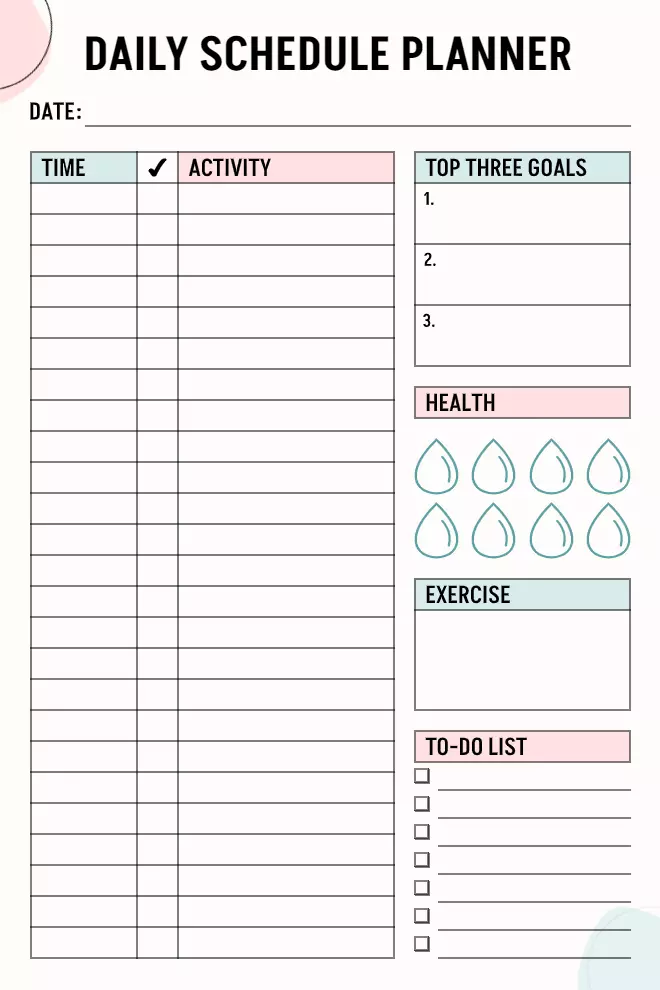
Daily Routines Templates
Proposals by many digital planners encompass daily planner templates which can be very helpful once you are planning. Personalize the following headings so you can easily design your agenda for the week.

Backing Up Your Data
Remember to always synchronize your data on the planner frequently to minimize cases of loss. All developing apps including PlanWiz provide the required auto-backup capability for data security.
Conclusion
A daily planner app may be well integrated with all your calendar apps. So that you can see all your appointments and avoid a clash. With habit stacking in place, your chances of practicing the new habits go high chances of success. Since the habit you want to build relates it to an existing one. Such as when stretching while waiting for your coffee. Nowadays, it is easy to find many daily planner templates that can be customized to enhance treatments of your weekly planning.