
Most entrepreneurs struggle to meet growing demands, leading to scattered tasks and missed opportunities. 68% admit their current planning system fails during rapid scaling. The iPad planner is more than a tool it’s a productivity operating planner that streamlines workflows and eliminates chaos. This guide will help you transition from reactive planning to strategic execution, ensuring focus, efficiency, and sustainable growth.
Why Traditional Planning Methods Fail Entrepreneurs
Many entrepreneurs feel overwhelmed, not because they lack discipline, but because their planning systems are fundamentally flawed. Traditional methods weren’t designed for the fast-paced, ever-changing nature of business. Here’s why they fall short, and how exploring planning organization ideas can help you develop a flexible, efficient system that adapts to your business needs and drives sustainable growth.
Static Systems for Dynamic Work
Paper planners and rigid digital tools fail when unexpected investor calls, urgent client requests, or project pivots arise. Entrepreneurs need flexibility, but static systems force them into a structure that doesn’t adapt to real-time demands.
Tool Fragmentation Steals Time
Using multiple tools for different tasks creates inefficiency. A founder might juggle Trello for tasks, Google Calendar for meetings, and Evernote for ideas, constantly switching between them. This context switching can eat up two hours daily, reducing deep work and strategic thinking.
No Profitability Alignment
Most planning systems track tasks but fail to connect them to revenue. Entrepreneurs often spend hours on low-ROI activities—like replying to emails—without realizing they aren’t driving profits. A planner should prioritize high-impact work, ensuring daily efforts contribute directly to business growth.
The Hidden Costs of ‘Good Enough’ Planning for Entrepreneurs
Many entrepreneurs stick with “good enough” planning, unaware of its true financial impact. The reality? Inefficient workflows drain profits—slowly but surely. Here’s how:
Missed Deadlines Cost Real Money
Freelancers often juggle multiple planning apps, leading to missed deadlines and delayed projects. Without a centralized system, tasks slip through the cracks, causing lost clients and revenue leaks. Over time, these inefficiencies cost up to $2,500 monthly, not due to a lack of work but because of disorganized workflows and poor task management.
Miscommunication Bleeds Cash
Startups relying on multiple synced tools struggle with miscommunication, causing project delays and duplicated work. A remote team using five or more separate platforms wastes hours aligning tasks, leading to confusion and missed opportunities. This inefficiency costs startups $8,000 per month, proving that without a streamlined system, poor collaboration becomes an expensive mistake.
Key Insight: Poor Planning = Profit Leak
Many entrepreneurs view inefficient planning as a minor inconvenience, but the reality is a steady drain on profits. Missed deadlines, misaligned teams, and fragmented tools add up to thousands in lost revenue. An optimized, integrated planning system isn’t just about staying organized—it’s about maximizing profitability, improving efficiency, and ensuring every working hour drives growth.
How an iPad Planner Solves Entrepreneurs Problems
An iPad planner doesn’t just offer features; it transforms the way entrepreneurs approach their work. Focusing on systematic solutions to common business challenges brings efficiency, structure, and clarity to the chaotic world of entrepreneurship.
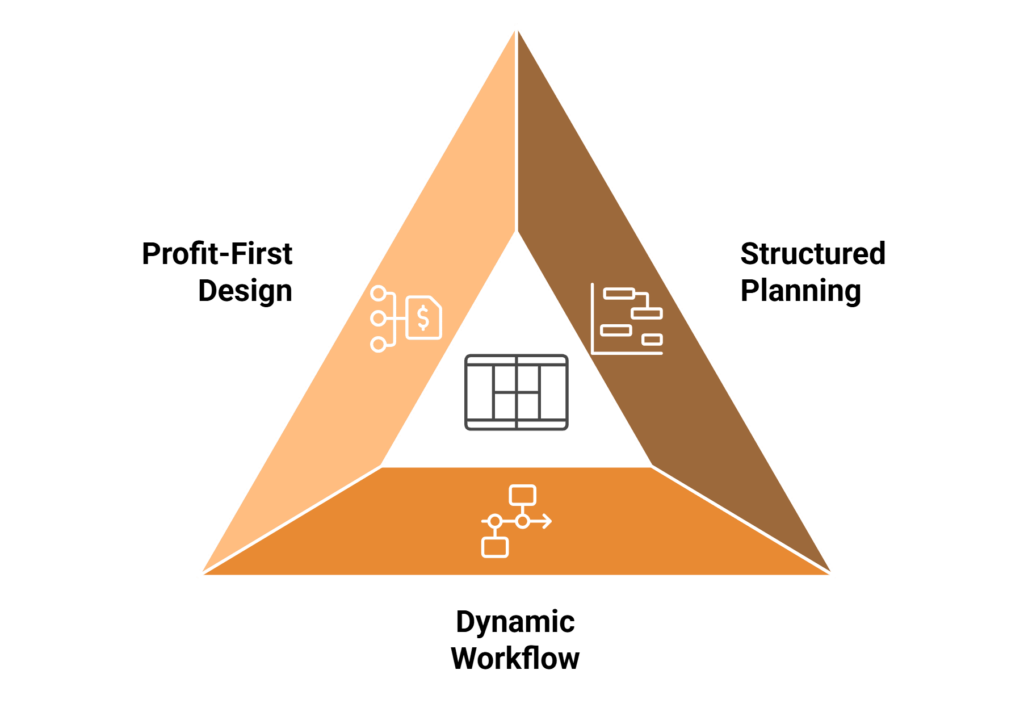
Structured Planning with Customizable Templates:
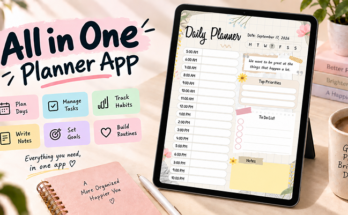
The power of a digital planner lies in its flexibility. Entrepreneurs can choose from a variety of planner templates, each designed to tackle specific business needs, from project management to financial tracking. Customization allows for seamless integration with an entrepreneur’s workflow, ensuring that the planner fits their unique needs.
Dynamic Workflow Management:
Unlike traditional planners, an iPad planner enables dynamic workflow adjustments. Entrepreneurs can quickly modify project timelines or reschedule tasks with ease, minimizing disruption. The use of drag-and-drop functionality and intuitive templates lets users shift their plans to accommodate changing priorities without feeling overwhelmed. explore the best iPad planner apps, designed to streamline your workflow and boost productivity.
Profit-First Design
Time is money—literally. The planwiz iPad planner allows you to tag tasks by ROI, helping you prioritize high-value work. For example, seeing “Client A = $500/hour vs. Admin = $50/hour” makes it clear where to invest your energy. This profit-driven planning method ensures every work hour maximizes revenue.
4-Pillar Framework: Why an iPad Planner Outperforms for Entrepreneurs
The iPad planner goes beyond simple scheduling; it’s a complete strategic system designed to enhance productivity, focus, and growth. Here’s how each pillar in the framework works:
- Agile Prioritization
- The iPad planner allows you to layer the Eisenhower Matrix over your OKRs in a digital layout, providing clear prioritization.
- You can color-code tasks (like “Q3 Revenue Goals” vs. “Urgent Firefighting”), ensuring high-impact tasks are prioritized and distractions are minimized.
- Deep Work Orchestration
- Time-block your day with Pomodoro timers to ensure focused, uninterrupted work sessions.
- Use time management tips to boost your efficiency and stay on track throughout the day.
- Add focus playlists directly to your schedule to boost productivity during deep work phases.
- With everything integrated, your work environment is optimized for focus and efficiency.
- Stakeholder Alignment
- Share read-only sections of your planner with investors or stakeholders.
- This reduces the need for time-consuming update meetings, cutting them by up to 50%.
- Keep your team and investors aligned with less effort and fewer interruptions.
- Progress Analytics
- Use the iPad’s Numbers app to track the “Time Spent vs. Revenue Generated” for each task.
- This enables you to identify high-ROI activities and focus on the work that brings in the most revenue.
- By tracking your progress, you can continuously optimize your workflow for better results.
The Entrepreneur’s Planner Stack with iPad Planner
The Entrepreneur’s iPad Planner Stack is designed to help business owners at every stage of their entrepreneurial journey stay organized, focused, and efficient. Tailored for different business stages, this stack adapts to your evolving needs, from ideation and early planning to scaling and managing an established business.
Project Initiation & Planning Stack
- Tool: Planwiz – Customizable Project Planner Templates
- Workflow: Kick off the project by defining goals, timelines, and key deliverables using PlanWiz customizable templates. Organize tasks by priority, assign roles, and set clear milestones. Mornings are spent structuring the project plan, while afternoons focus on refining details, ensuring alignment, and preparing for smooth execution.
Execution & Collaboration Stack
- Tool: Planwiz – Project Task Tracker Planner Templates
- Workflow: Use PlanWiz planner templates to track progress during execution. Set daily goals, monitor task completion, and collaborate efficiently. In the mornings, focus on high-priority tasks, and adjust timelines and resources in the afternoons. Leverage PlanWiz task management tools to keep the team aligned and execute smoothly.
Project Monitoring & Closing Stack
- Tool: Planwiz –Project Progress Overview Planner Templates
- Workflow: Monitor progress using PlanWiz task-tracking templates. In the mornings, adjust workflows based on project performance and review progress toward deadlines. In the afternoons, finalize tasks, assess outcomes, and ensure all deliverables are completed. Use PlanWiz planner templates to document results and effectively close out the project.
Conclusion
The digital iPad planner app transforms chaotic workflows into streamlined systems, empowering entrepreneurs to work smarter, not harder. By offering flexibility, dynamic task management, and a focus on profitability, it ensures that every hour contributes to growth. Transitioning from reactive planning to strategic execution can propel your business forward, maximizing efficiency and scalability. Your competition may still be using paper, but with the right tools, you can lead the way. Your move.