
As a freelancer, you are your own boss, but managing your time can still be challenging. Balancing freedom with deadlines, productivity, and client demands requires effective planning. In this guide, we’ll explore how to structure your schedule, plan work efficiently, maximize weekly productivity, and use digital tools like time blocking and the weekly planner app to accelerate your freelance growth.
Do Freelancers Make Their Own Schedules?
Many people think freelancing offers the freedom to choose work hours. While freelancers can set their own schedules, they still must meet client deadlines. As independent contractors, freelancers have the flexibility to work when they want, but they remain accountable for delivering quality work on time, requiring strong time management skills and organization.
Balancing Autonomy with Client Expectations
Freelancers can work when they want while they need to be present for customer assistance. Regular client demands for scheduled appointments and deadlines often conflict with freelance working schedules. To make things work well you have to establish specific working rules yet remain ready to serve customers when necessary.
External Factors Impacting Your Schedule
Freelancers working remotely should plan their schedules using the Planwiz planner app. They need to adapt their schedules to shifting business demands while balancing work and personal life. Setting clear boundaries and utilizing scheduling tools helps maintain this balance, ensuring productivity and well-being. Consistent planning also prevents burnout and helps maintain long-term success in freelancing.
Pros and Cons of Flexibility
As a freelancer, you have the freedom to choose your working hours, but this can sometimes lead to burnout and disorder. Structuring your time requires discipline to ensure you don’t overwork and find a balance between your projects and personal life. Setting boundaries and following a clear schedule can help prevent exhaustion and keep you organized.
How to Plan Your Freelance Work?
When multiple projects and client deadlines pile up, freelancers need a solid planning process to succeed. Without a plan, you risk missing deadlines and taking on too many tasks. Here’s how to plan your freelance work effectively:
Understand Your Workload
If you are facing weekly challenges in your freelancing work, it’s essential to have a clear view of all the tasks you’re working on. Knowing your current tasks and upcoming projects helps you create an efficient time management system. By using strategies to simplify weekly challenges easily, you can streamline your workflow and stay on top of your deadlines.
- Create a List: Create a list of all your ongoing projects, whether big or small. Include all work assignments, home tasks, and any side projects you’re involved in. Keeping track of everything helps you stay organized and manage your time more effectively.
- Evaluate Deadlines: Sort your projects by urgency and put the ones with fast-approaching deadlines next to those with more flexible timelines. Organizing your contracts this way helps you prioritize tasks and stay on top of your workload.
- Assess Time Requirements: Determine how much time each task will take. Break down larger projects into smaller, more manageable parts to make time estimates more accurate and ensure you’re staying on track.
Set Clear Goals
Having clear goals is key to succeeding in freelance work. They provide direction, help you organize your tasks, and serve as motivation to keep moving forward, even during challenging times. Setting both short-term and long-term goals ensures you stay on track and focused. Break your larger goals into smaller, manageable steps to celebrate progress and maintain momentum.
- Short-Term Goals: You can set achievable goals for a month or a week, such as meeting project deadlines with clients or reaching specific milestones in your work.
- Long-Term Goals: Your long-term goals could include growing your business by attracting more clients, launching new services, or building sustainable revenue streams for continuous growth.
Clear objectives keep you motivated and focused, guiding your daily actions toward both short-term wins and long-term success. Set targets that are easy to track and achievable with realistic outcomes.
Prioritize Tasks
Multiple projects and tight deadlines require students to prioritize tasks, focusing on what needs immediate attention to achieve their work goals efficiently. By organizing tasks based on urgency and importance, students can better manage their time. Breaking down complex assignments into smaller steps helps prevent overwhelm and allows for steady progress.
- Eisenhower Matrix: This method categorizes tasks into four quadrants:
- Urgent and important
- Important but not urgent
- Urgent but not important
- Not urgent and not important
- ABC Method: Assign an “A” to high-priority tasks, a “B” to medium-priority tasks, and a “C” to low-priority tasks. Tackle “A” tasks first and gradually move down the list. Prioritizing tasks ensures you’re working on what’s most important and avoids wasting time on less critical activities.
Use Time Management Tools
The right weekly planner app can make all the difference in managing your freelance work. These apps help you stay organized, meet deadlines, and efficiently handle your workload by providing a clear view of your tasks. With features like task prioritization, reminders, and time blocking, they allow you to balance multiple projects while reducing stress and increasing productivity.
- Task Management Apps: Tools like Planwiz, Trello, Asana, and Todoist allow you to break down projects into smaller tasks, set due dates, and track progress. These apps provide a visual overview, helping you stay organized and ensuring nothing gets overlooked.
- Calendar Tools: Google Calendar or Outlook can help you allocate time for each task and meeting. With a clear visual representation of your day, it becomes easier to manage your schedule and avoid overcommitting.
Using digital tools to plan your day ensures you stay organized, productive, and on track. To make the most of your time, consider these time management tips: prioritize tasks, break down big projects, and set aside focused time blocks to stay efficient throughout the day.
Set Realistic Deadlines
Setting accurate work completion dates helps you manage your tasks effectively. By defining clear deadlines, you ensure that your work meets the required standards while staying on track with your schedule. This approach minimizes last-minute stress, boosts productivity, and allows for a better work-life balance, as you can plan your time more efficiently.
- Avoid Over-Promising: Setting goals that clients can meet helps you create better work while reducing pressure. When you push clients for unreasonable deadlines they create work anxiety which leads to poor results.
- Add Buffer Time: When making deadlines include an extra time allowance to cover unexpected holdups or new work. Having buffer time allows you to handle unexpected challenges so you meet your deadlines on schedule.
Avoid Burnout
Freelancing can be demanding, and without proper planning, burnout is common. Be sure to schedule personal time to recharge, ensuring you stay refreshed and productive. Incorporating some planning organization ideas, like setting clear goals and using time blocks, can help you manage your workload effectively and maintain a healthy work-life balance.
- Schedule Breaks: Don’t forget to take regular breaks during your workday. The Pomodoro technique (work for 25 minutes, then take a 5-minute break) helps maintain focus and prevents mental fatigue.
- Exercise and Downtime: Block out time for physical activity, hobbies, or relaxation. Engaging in activities outside of work helps you maintain a healthy work-life balance and boosts overall well-being.
- Set Boundaries: Establish clear work hours and a designated workspace to keep work separate from personal time. This helps ensure you get enough downtime to recharge and maintain balance.
How to Structure Your Week for Boosting Freelance Productivity
A regular work schedule is hard to maintain for freelancers who need structure to stay productive. When you work without fixed schedules your mind gets lost in various distractions and priority challenges. Creating a weekly structure helps you concentrate and reach your targets.

- Start with a Weekly Overview: Embrace the coming week when you start your planning process at the beginning of each week. Identify key projects and deadlines. Planning will help you better prepare your mind for what you need to do.
- Use Time Blocking: Designate specific periods for different job assignments including calls to clients, project work, and personal moments. By setting time limits you stop yourself from working on multiple tasks simultaneously and maintain your focus on the task at hand.
- Create Theme Days: Determine what task belongs to each weekday of the week. Devote Mondays to creating material and allocate Tuesdays for clients while spending Wednesdays on research work. Using this system lets you concentrate on single types of work while avoiding task shifts.
- Account for Flexibility: Your life won’t follow its original path regularly. Save part of your daily schedule to handle emergencies and unplanned duties. Flexibility helps you handle unforeseen problems without feeling stressed.
- Track Progress and Adjust: At the end of the week, review what you’ve accomplished. If some tasks weren’t completed, reschedule them for the following week. Regularly adjusting your schedule will keep you on track for success.
Why Freelancers Should Use Time Blocking with a Weekly Planner App
Freelancers often juggle multiple tasks, clients, and deadlines, making time management tricky. Time blocking, paired with a weekly planner app, helps streamline tasks, stay organized, and boost productivity. Here’s why time blocking is essential for freelancers looking to manage their time more effectively.
Maximizes Focus and Reduces Distractions
Through time-blocking techniques, freelancers can work better since they assign defined work periods to specific tasks so they resist email and social media breaks. When dedicating two hours in the morning to focus on client work you can focus without disruptions. Their work outcomes improve when freelancers establish firm working limits.
Prevents Procrastination
When we don’t know what to do next our tasks often get delayed but time blocking helps us focus. The set time boundaries make sure tasks stay clear. A planner app shows your routine on screen so you stay on track and avoid racing against the clock. When you set your tasks according to time blocks you stay focused on your work until task completion.
Boosts Productivity with Clear Task Prioritization
Time blocking helps you prioritize by assigning dedicated slots to high-priority tasks, ensuring you address important work first. Planner apps enhance this by offering reminders and color-coded tasks, visually guiding your focus. This approach leads to better time management, reduces distractions, and boosts overall productivity, making it easier to stay on track and meet deadlines.
Reduces Decision Fatigue
Freelancers often feel drained by constant decision-making. Time blocking solves this by planning tasks, reducing daily choices, and preserving mental energy. With a clear schedule, you can focus fully on completing tasks instead of wasting time deciding what to do next, boosting productivity and making your workday less exhausting.
Ensures Work-Life Balance
Time blocking establishes clear boundaries between work and personal life. Scheduling breaks and personal activities ensure you avoid overworking. This structure combats the “always working” mindset common among freelancers. A weekly planner app supports this balance by visually tracking work hours and downtime, helping you maintain a healthier and more productive routine.
Easily Adjustable with a Planner App
Freelance schedules can change without warning, but weekly planner apps like Planwiz, Google Calendar, or Notion make adjusting time blocks simple. Whether rescheduling tasks or shifting priorities, these apps provide flexibility to keep your day organized. This adaptability ensures time blocking stays effective, even during unexpected changes in your freelance work.
Helps Meet Deadlines Consistently
Breaking large projects into smaller, manageable tasks becomes easier with time blocking. Assigning dedicated time slots for each task ensures consistent progress and eliminates last-minute stress. Weekly planner apps provide reminders for deadlines, helping you stay organized and meet important milestones. This approach makes managing deadlines smooth, reliable, and stress-free.
How to Use a Weekly Planner App for Project Deadlines
Meeting project deadlines is crucial for freelancers. Using a weekly planner app keeps your tasks organized, tracks progress, and ensures you never miss a deadline. This tool also helps you prioritize tasks and allocate sufficient time for each, boosting efficiency and reducing the risk of last-minute rushes.
- Choosing the Right Planner App: Choose a weekly planner app that fits your workflow. Planwiz works well for time management, while Trello and Click Up excel at organizing projects.
- Setting Deadlines: Log all project deadlines and milestones in your planner app. Set reminders and notifications to stay on track and meet every task on time.
- Breaking Down Projects: Break down bigger projects into smaller, actionable tasks with their deadlines. For example, split a writing project into research, outlining, drafting, and editing, assigning a due date for each step. Using structured task planner templates can make this process even more systematic and efficient.
- Tracking Progress: Most planner apps let you mark tasks as complete, allowing you to track your progress. This provides a sense of achievement and helps you see where changes might be needed.
- Staying Flexible: If a deadline changes or an unexpected task comes up, don’t worry. Use your planner app’s flexibility to adjust tasks while staying on track with your overall project timeline.
Streamline Your Freelance Work with Weekly Planner Templates
Efficient time management is key to freelancing success. Weekly planner templates help you organize tasks, meet deadlines, and maintain a balanced schedule, ensuring you stay productive and focused on your goals.
Weekly Notes Planner Templates for Freelancers
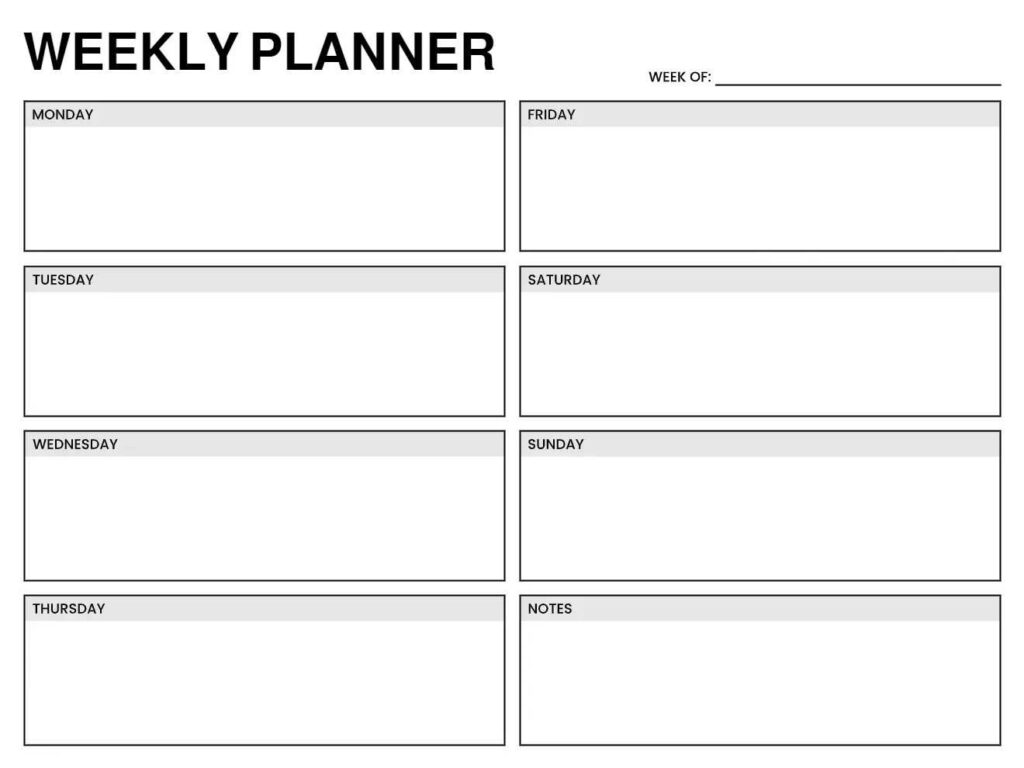
Explore various weekly notes planner templates designed for freelancers to help organize tasks, track deadlines, and boost productivity throughout the week.


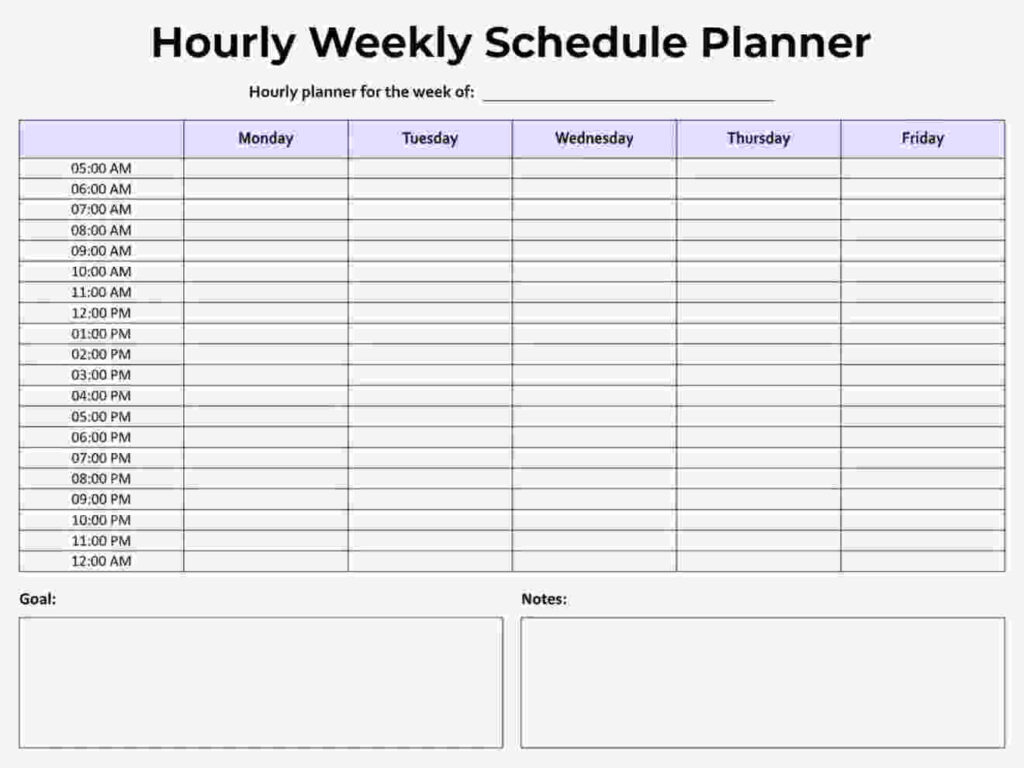
Weekly Hourly Schedule Planner Template
Utilize a detailed hourly schedule planner template to manage your workday efficiently, ensuring you stay on track and meet all deadlines.
Weekly Personal Planning Planner Template
Keep your personal life in balance with a weekly personal planning template that helps you organize tasks and maintain a healthy work-life routine.
The Role of Digital Planning in Freelance Growth
Digital planning is crucial for freelancers aiming to grow their businesses and increase productivity. These tools offer the organization, flexibility, and accessibility needed to succeed and thrive in a freelance career
Tracking Long-Term Goals
Digital planning helps freelancers stay on top of daily work and plan toward their professional targets. When freelancers split their big projects into smaller steps they achieve progress on their main targets more effectively. With organized time blocks and clear milestones, they can track their achievements and make adjustments to stay on course, ultimately boosting productivity and success.
Collaborating with Clients or Teams
Most freelancers join forces with clients and colleagues to work on different assignments. Digital planning systems let everyone work together better through scheduled tasks and better communication. Digital planning tools keep communication direct and help projects run smoothly so freelancers can handle multiple collaboration relationships effectively.
Scaling Your Freelance Business
By using digital planning tools, freelancers can manage their workflow better, which lets them take on multiple clients or big projects simultaneously. Running a successful freelance business depends on the ability to distribute tasks effectively so the company expands while maintaining productivity. These tools also offer flexibility to adjust schedules, helping freelancers adapt to new challenges without compromising quality.
Conclusion
You need good time planning skills to make your freelance work successful. Through schedule control and digital tools including time blocking and weekly planner apps, you improve your productivity levels and help your career grow faster. These methods create lasting success while giving us the freedom and efficiency to work as freelancers. Take steps now to build your freelancing success.