
Managing healthcare appointments can be overwhelming with multiple providers, medications, and follow-ups. Weekly planner templates offer a simple solution by consolidating all tasks into one organized system. These templates help you track appointments, medications, and reminders in a clear, structured format, reducing stress and ensuring timely care. This blog explores how they simplify healthcare management for better organization and efficiency.
The Need for Streamlined Healthcare Appointment Management
In today’s busy world, managing healthcare appointments without a proper system is a recipe for confusion and errors. Patients often face the following challenges:
- Overlapping Appointments:
Multiple doctor visits, sometimes scheduled on the same day or at close intervals, can create conflicts. This requires constant adjustments and rescheduling, making it harder to stick to a healthcare plan. - Last-Minute Changes:
Doctors may need to reschedule appointments unexpectedly, leaving patients scrambling to find alternate time slots. Without proper tools, this can disrupt the entire week’s schedule. - Medication Management:
For patients prescribed multiple medications, it’s crucial to take the right doses at the right times. Without a system to track medications, there’s a higher chance of missed doses or errors. - Travel and Location Coordination:
For those visiting multiple healthcare providers at different locations, planning travel and avoiding conflicts between appointments is a logistical challenge. - Tracking Test Results and Follow-Ups:
Remembering test schedules, tracking results, and preparing for follow-up consultations are often overlooked when there’s no centralized system to manage them.
These challenges underscore the importance of having an organized tool to manage healthcare appointments and related tasks efficiently.
How Weekly Planner Templates Transform Healthcare Appointment Management
Managing healthcare appointments, medications, and wellness activities can often feel overwhelming. However, weekly planner template offers an effective solution by centralizing all your important information in one easy-to-use format. From automated reminders to streamlined rescheduling, these templates simplify healthcare management, allowing you to stay organized, reduce stress, and ensure no vital tasks or appointments are overlooked.
Centralized Scheduling
The weekly planner template consolidates all your healthcare information—appointments, medication schedules, and wellness activities—into one place. Instead of juggling multiple systems (e.g., sticky notes, phone reminders, or scattered documents), you can rely on a single, cohesive framework.
Example:
Imagine having a visual layout of your entire week. Monday includes a dental appointment, Wednesday a follow-up with your primary care physician, and Friday a fitness session. With everything in one view, you avoid double-booking and stay organized.
Automated Alerts and Reminders
Many weekly planner apps, integrate automated reminders. These ensure you never forget critical appointments, medication doses, or follow-ups.
How It Helps:
For patients managing chronic conditions, forgetting a single dose of medication or missing a doctor’s visit can have serious consequences. With a planner template, you can set reminders days or hours in advance, giving you ample time to prepare.
Streamlined Rescheduling
Rescheduling appointments is often a tedious process, especially when using traditional paper calendars. The weekly planner template makes it easy to adjust your schedule in real time without losing track of other commitments.
Example:
If a doctor’s office calls to reschedule an appointment, you can update your planner immediately and check for available time slots in the same view—saving time and reducing stress.
Tracking Medications and Treatments
The weekly planner template include sections to log medications, dosages, and treatment protocols.
Why It’s Important:
Patients managing multiple medications can set reminders for each dose, ensuring they take them on time. Templates can also track when prescriptions need to be refilled or adjusted.
Visual Clarity for the Entire Week
A weekly layout provides a clear overview of your schedule. You can see which days are packed with appointments and which have room for other tasks, helping you prioritize effectively.
Benefit:
This visual clarity helps patients avoid overbooking, identify conflicts, and make informed decisions about their time.
Weekly Planner Templates for Managing Healthcare Appointments
A well-organized weekly schedule divides your day into focused time slots, making task management more efficient. With weekly planner templates, you can easily track personal and healthcare appointments, ensuring you stay on top of your commitments without missing a beat.
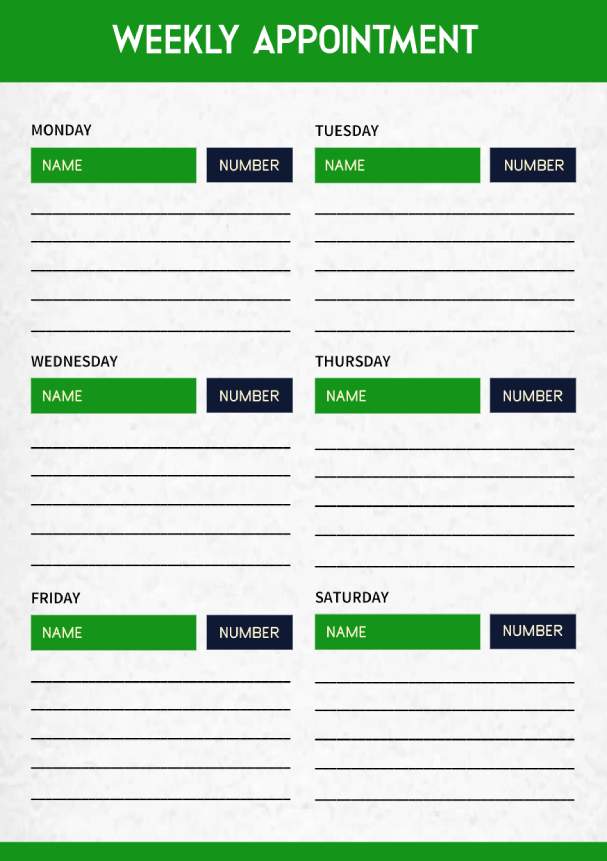
Weekly Appointment Planner Templates
Appointment planner templates assist in organizing healthcare visits, personal meetings, and important tasks, ensuring you stay on track and never miss any scheduled appointments.

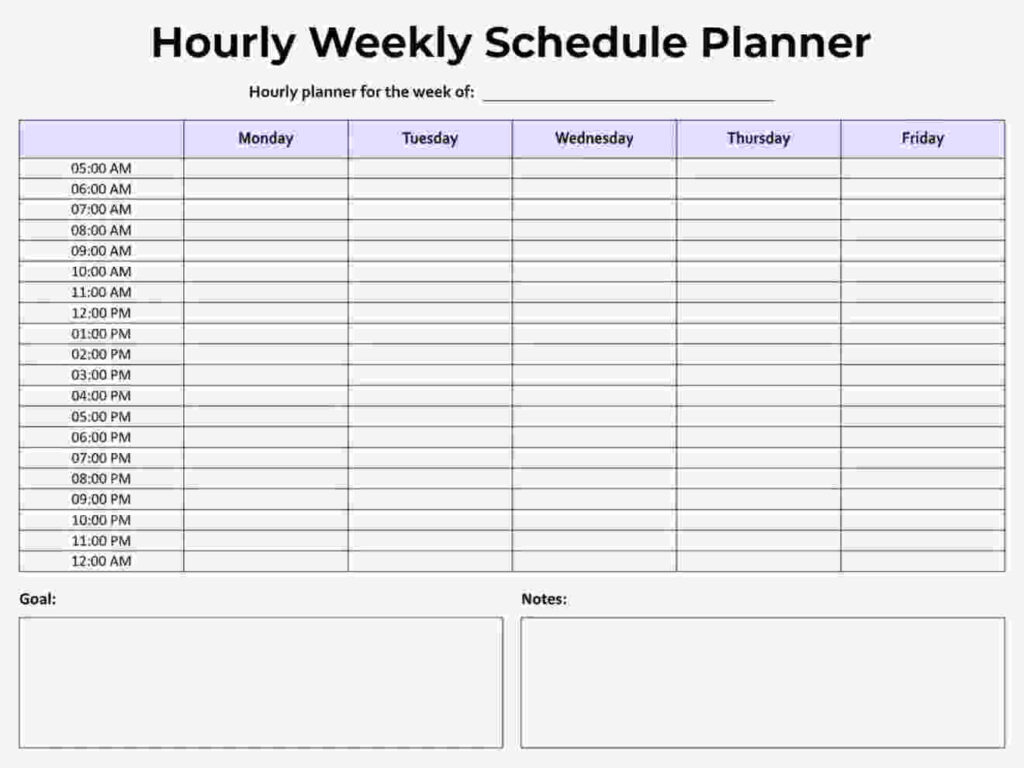
Weekly Hourly Schedule Planner Template
A weekly hourly schedule planner template helps you organize your time effectively, plan daily tasks, and allocate hours for appointments, meetings, and personal activities.
Why Weekly Planner Templates Beat Traditional Methods
Traditional methods like paper calendars, sticky notes, or even basic digital calendars can seem sufficient for managing healthcare tasks at first glance. However, they lack the sophistication, integration, and organization needed to handle the complexities of modern healthcare needs. Weekly planner templates, especially those designed for healthcare, provide a robust solution for staying on top of appointments, medications, and wellness activities.
Here’s a detailed breakdown of why weekly planner templates are far superior to traditional methods:
Centralized Information
Traditional tools like paper notes or calendars often result in scattered information, making it difficult to track healthcare commitments.
- The Problem: Patients may need to look in multiple places—post-it notes, phone reminders, emails, or written memos—to retrieve important details about appointments, medications, or follow-ups. This fragmentation increases the risk of forgetting critical tasks.
- The Solution with Templates: The weekly planner template consolidates everything into one accessible location. They provide a clear framework to organize your appointments, treatment plans, and reminders in a single, easy-to-navigate layout.
- Benefit: You’ll save time and avoid the frustration of searching for scattered details, ensuring nothing falls through the cracks.
Customizable Layouts
Traditional tools often have rigid formats that may not accommodate the unique needs of healthcare planning.
- The Problem: Standard calendars or generic planners do not allow customization for specific needs like tracking medications, side effects, test results, or wellness activities.
- The Solution with Templates: Weekly planner templates are highly customizable, enabling users to create sections tailored to their healthcare routines. For example, you can design separate areas for:
- Appointments: Include date, time, location, and provider details.
- Medications: Log dosages, timing, and refill reminders.
- Wellness Activities: Track exercise, sleep, and mental health practices.
- Notes: Add space for jotting down doctor recommendations or test results.
- Benefit: Custom layouts ensure the planner adapts to your specific needs, giving you more control over your healthcare management.
Real-Time Updates
Traditional methods often lack the flexibility to adapt to sudden changes, leading to confusion and missed appointments.
- The Problem: Life happens—appointments get rescheduled, treatments change, and medications are updated. A traditional planner requires manual editing, which can lead to errors or missed details.
- The Solution with Templates: The planwiz planner app allows real-time updates. You can make changes instantly, ensuring your schedule stays accurate and up-to-date. Digital templates even sync with devices, sending automatic notifications about changes.
- Benefit: The ability to adjust plans on the fly reduces the stress of managing last-minute changes, helping you stay on track.
Enhanced Visibility
Traditional tools often lack the clarity needed to get an at-a-glance view of your healthcare schedule.
- The Problem: Paper calendars or sticky notes often look cluttered and make it hard to see how your week is shaping up. Overlapping commitments or missing tasks may go unnoticed.
- The Solution with Templates: Weekly planner templates provide a structured, visual layout that gives you a clear overview of your healthcare tasks.
- You can color-code appointments, medications, and wellness activities for better organization.
- Use weekly or daily views to zoom in on specific tasks or see the big picture.
- Benefit: A well-organized layout helps you prioritize tasks, identify time conflicts, and manage your schedule effectively.
Building a Holistic Healthcare Plan with Weekly Templates
To fully utilize weekly planner templates, it’s crucial to adopt a comprehensive approach that covers all aspects of healthcare management. A holistic plan not only organizes appointments but also promotes overall wellness. Below are detailed steps to build your ideal healthcare plan using weekly templates.
Add All Appointments
Start by listing every medical appointment for the week, including follow-ups, tests, and consultations. This ensures you stay on top of your schedule and never miss important appointments that could affect your treatment. Include the date, time, and location of each appointment, along with the doctor’s contact details for easy reference. Highlight recurring or follow-up appointments to keep track of long-term care. Color-code appointments (e.g., red for urgent visits, blue for routine check-ups) for better prioritization.
Track Medications
Create a dedicated section in your planner for managing medications, as missing doses can have serious health implications. List each medication with its dosage, timing, and frequency, and include refill dates to ensure you never run out. Also, note any special instructions, such as “Take with food” or “Avoid sunlight,” to stay compliant with your treatment plan. Track any side effects and be ready to discuss them with your healthcare provider. Setting reminders for medications will help you stick to your schedule.
Incorporate Wellness Activities
A holistic healthcare plan isn’t complete without including wellness activities like exercise, sleep, nutrition, and mental health. Schedule daily exercises, such as walks or yoga, to keep your body active. Log your sleep hours to ensure adequate rest, and plan meals or track nutrition goals like reducing sugar or increasing vegetables. Don’t forget to schedule mental health activities, such as meditation or journaling, to support your emotional well-being. Combining wellness activities with healthcare tasks ensures a balanced routine.
Set Health Goals
Use your weekly planner to define and monitor health goals, keeping you focused and motivated. Setting clear, measurable goals like walking 10,000 steps daily or losing a pound each week gives you a tangible target. Break larger health goals into smaller, manageable tasks that fit into your weekly schedule. Use your template’s notes or checklist sections to track progress. Celebrating small wins along the way helps maintain motivation and ensures consistency in achieving your long-term goals.
Review Test Results and Medical Reports
Incorporate a section in your weekly planner to review test results and medical reports. Keeping these organized allows for easier tracking of trends in your health and helps prepare for informed discussions with your healthcare provider. Log important results such as blood sugar levels, cholesterol, or blood pressure readings, and note any trends or changes to discuss during appointments. If using a digital planner, attach copies of reports for easy access. Explore time management tips for reviewing these results before follow-up visits and managing your time effectively.
Conclusion
Managing healthcare appointments has never been easier with the use of weekly planner templates. By consolidating appointments, medications, and treatments into one simple, visual layout, you can reduce stress, prevent missed appointments, and stay on top of your health. Whether you’re dealing with multiple providers or need to manage complex medication schedules, weekly planner templates streamline your healthcare management, helping you stay organized and focused on what matters most: your health and well-being.