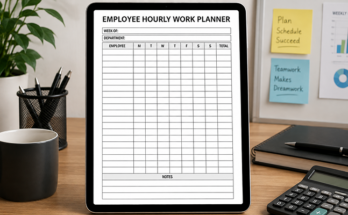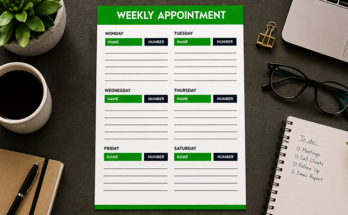

E-commerce is a challenging and competitive industry, making effective planning essential. This blog will discuss the importance of planning, how weekly planner templates can assist in managing tasks, and how they enhance focus and decision-making. With a solid plan in place, businesses can remain organized, respond swiftly, and thrive in a rapidly evolving market.
Why We Need an E-Commerce Planning?
E-commerce is a rapidly evolving and expanding industry, but achieving success isn’t a matter of luck. It demands thoughtful planning to effectively handle its numerous components. We will explore the importance of a structured planning process for e-commerce businesses, highlighting how it helps organize ideas and tackle sector-specific challenges. By implementing effective planning organization ideas, you can streamline operations, improve efficiency, and ensure your business stays on track for growth and success.
The Complexities of E-Commerce Operations
E-commerce encompasses various activities that must function together smoothly:
- Inventory Management: It’s crucial to keep products in stock without overstocking, which can tie up capital. This involves tracking inventory levels, recognizing demand trends, and coordinating with suppliers.
- Marketing: Developing campaigns that effectively reach the target audience and convert them into customers is essential. This includes strategies like email marketing, social media outreach, pay-per-click ads, and search engine optimization.
- Sales and Revenue Tracking: Keeping an eye on sales performance helps identify trends, predict future demand, and evaluate the success of marketing efforts.
- Customer Service: Addressing inquiries, resolving problems, and ensuring a positive customer experience are vital for encouraging repeat business and fostering customer loyalty.
Without a well-structured plan to integrate these areas, businesses can encounter inefficiencies. For example, ineffective inventory management might lead to stockouts or excess inventory, while uncoordinated marketing efforts could waste budgets. Companies that lack strategic planning may overlook growth opportunities or struggle to respond to market shifts.
The Fast-Paced Nature of E-Commerce
E-commerce functions in a landscape where trends, technologies, and consumer behaviors evolve rapidly. The ability to remain flexible and respond swiftly to these changes is essential, and AI plays a key role by enabling smarter insights, automation, and faster decision-making.
- Adapting to Trends: Effective planning allows businesses to foresee changes, like seasonal trends, and prepare in advance.
- Managing Short-Term Tasks: Daily operations, such as order fulfillment and addressing customer inquiries, need focus while also aligning with broader business objectives.
- Focusing on Long-Term Growth: Strategic planning ensures that businesses channel resources into growth opportunities, like entering new markets or expanding product offerings, instead of getting bogged down by daily tasks.
For instance, a well-organized plan could enable a business to quickly shift to online advertising aimed at a new demographic if there’s a noticeable change in demand for their existing products.
Improved Decision-Making Through Planning
Planning goes beyond merely organizing tasks; it serves as a powerful tool for making informed decisions.
- Establishing Clear Goals: Companies that set specific targets, like boosting website traffic by 20% within six months, can effectively track their progress and maintain focus on what truly matters.
- Utilizing Data: Planning based on data helps businesses grasp customer preferences, forecast demand, and enhance marketing strategies.
- Minimizing Uncertainty: By recognizing potential risks and preparing for them, companies can operate with confidence, even in unpredictable circumstances.
For instance, a business that uses a weekly planner might dedicate time to reviewing sales data and customer feedback. This consistent practice enables them to modify pricing or product offerings based on genuine insights, thereby minimizing guesswork.
How Can You Plan to Manage Your E-Commerce Business?
Effectively managing an e-commerce business involves strategic planning that balances daily operations with long-term objectives. A well-organized weekly planner template can help streamline processes and keep everything on track.
Identifying Key Areas of Focus
To successfully manage your e-commerce venture, concentrate on inventory management, marketing, customer support, and order fulfillment. Weekly planners allow you to break these areas into actionable tasks, such as tracking stock levels, scheduling promotions, or responding to customer inquiries. By prioritizing these activities, you can ensure smooth daily operations and maintain organization while effectively addressing each critical area.
Setting Long-Term and Short-Term Goals
Long-term goals provide direction for the bigger picture, such as expanding your product range or increasing your customer base. In contrast, short-term goals consist of actionable weekly targets, like launching a sale or reaching a specific revenue milestone. The planwiz planner app helps to connect these goals, keeping you focused on immediate tasks while steadily working toward your broader business objectives.
Creating Actionable Plans
Transform your goals into small, manageable tasks—such as writing product descriptions or planning social media content. Utilize prioritization tools like the Eisenhower Matrix to concentrate on what’s urgent and important. A weekly planner template ensures that tasks are scheduled effectively, helping you manage your time and stay on track to complete each step.
Building Flexibility into Your Plan
Given the unpredictable nature of e-commerce, it’s essential to incorporate flexibility into your plans. Allow for adjustments in response to sudden changes, such as supplier delays or unexpected spikes in orders. Regularly review and modify your weekly planner to adapt to new priorities while remaining aligned with your goals, ensuring resilience in a rapidly changing environment.
Tracking Performance and Progress
Monitor metrics such as sales, marketing ROI, and customer satisfaction within your weekly planner. Regularly reviewing these metrics enables you to assess what’s working and pinpoint areas for improvement. This data-driven approach helps you make informed decisions for your business.
Delegating Tasks and Managing Teams
If you have a team, use your planner to assign tasks, set deadlines, and monitor progress. A shared planner fosters collaboration, keeps everyone aligned, and ensures accountability. By managing tasks effectively, you empower your team to contribute to the business’s success while maintaining a clear overview of operations.
Weekly Planner Templates for Optimizing E-Commerce Workflows
Weekly planner templates are crucial for enhancing e-commerce workflows. By organizing tasks, establishing goals, and prioritizing activities, these templates facilitate smoother operations, increase productivity, and help your business function effectively each week.
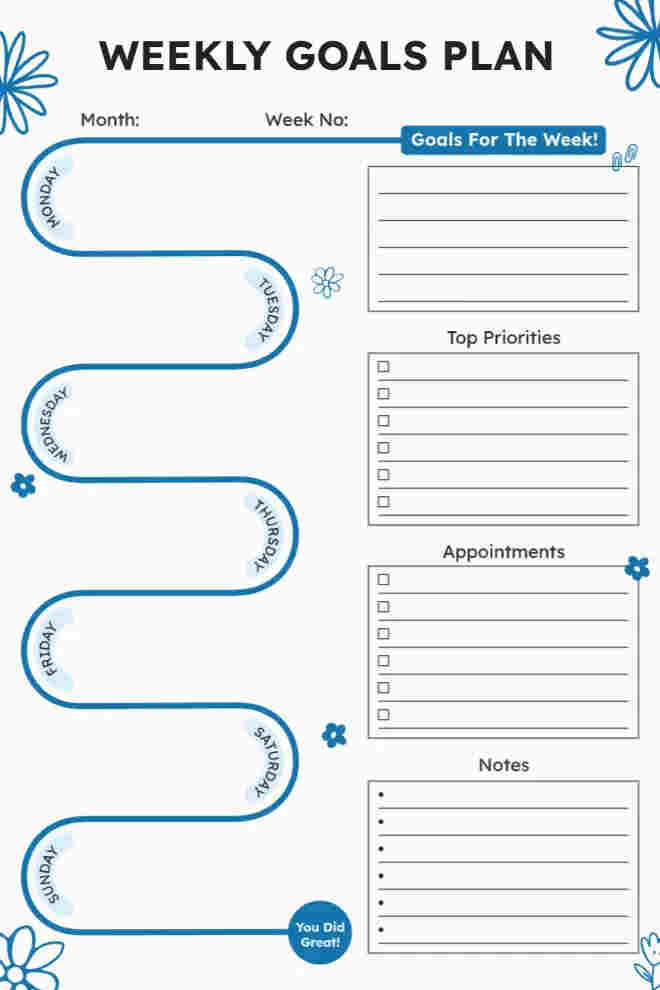
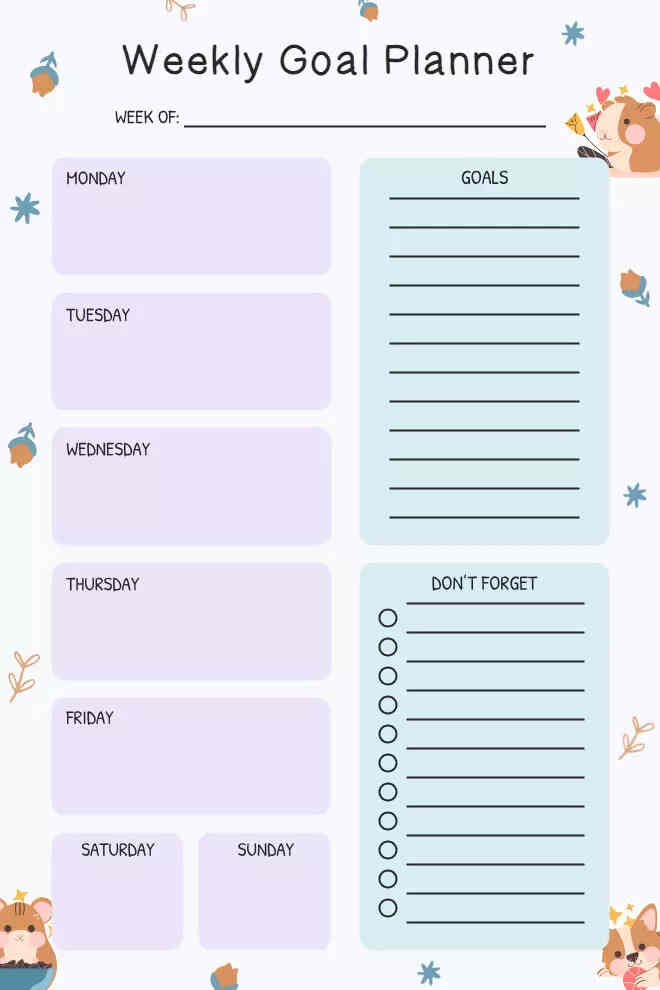
Weekly E-commerce Goal Planner Templates
Monitor your e-commerce goals, set weekly targets, and track your progress. These templates assist in prioritizing tasks and keeping your focus on business objectives.
Weekly E-commerce Notes Planner Templates
These templates can be used to organize important notes, ideas, and action items for your e-commerce business. They are ideal for managing tasks and insights.
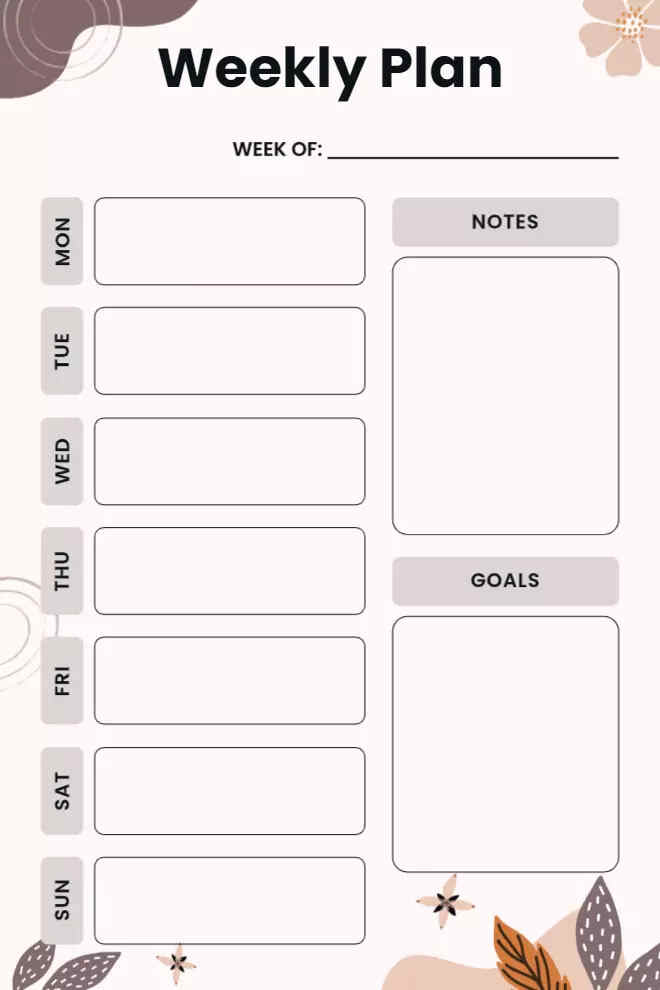

Weekly Chore Chart Planner Templates
Using these chore chart templates, you can keep up with routine tasks and responsibilities. They ensure efficient workflow and effective time management for seamless daily operations.


Weekly E-commerce Agenda Planner Template
Organize your weekly e-commerce activities with this agenda template. Schedule meetings, set milestones, and track essential tasks to stay organized and on schedule.

The Best Practices for Using Weekly Planner Templates in E-Commerce
A weekly planner is an essential resource for e-commerce entrepreneurs to maintain organization, prioritize their tasks, and reach their objectives. By applying effective strategies, you can enhance your planning process to handle daily operations, adapt to changes, and concentrate on both immediate and long-term success. Here’s how to effectively utilize your weekly planner templates in the e-commerce space.
Time-Blocking for Maximum Efficiency
Designate specific time slots in your weekly planner for key tasks like inventory updates, customer support, and marketing. Setting aside uninterrupted periods for high-priority activities boosts focus and productivity. By incorporating time management tips, you can streamline your workflow, reduce distractions, and ensure you’re tackling the most important tasks efficiently, leading to smoother e-commerce operations.
Prioritizing Tasks Using the Eisenhower Matrix
The Eisenhower Matrix divides tasks into four categories: urgent/important, important/not urgent, urgent/not important, and neither. Start with the urgent and important tasks, like addressing customer concerns or launching new campaigns. This way, you ensure that your time is allocated to activities that significantly influence your business’s success.
Regular Reviews and Adjustments
Allocate time to assess your weekly progress. Use insights from sales data, customer feedback, and campaign outcomes to adjust your plans for the following week. Regular reviews keep you flexible, enabling you to tackle inefficiencies and implement data-driven enhancements to your strategy.
Integrating with Other Tools
Merge your weekly planner with tools like Google Calendar, Trello, or Asana to optimize your operations. Sync schedules, assign tasks, and monitor progress across different platforms. Digital tools improve organization and facilitate smooth collaboration, particularly for entrepreneurs overseeing teams and intricate e-commerce processes.
The Cognitive Benefits of Weekly Planning for E-Commerce Owners
Running an e-commerce business requires juggling various responsibilities, from marketing efforts to customer support. Without a solid plan, the mental load can become overwhelming, leading to stress and inefficiency. Weekly planning not only organizes tasks but also offers cognitive benefits that enhance focus, decision-making, and overall productivity. Let’s delve into how weekly planning can improve your mental clarity and confidence as a business owner.
- Reducing Mental Overload and Stress: E-commerce owners face a multitude of tasks, from managing inventory to developing marketing strategies. Weekly planners help consolidate these tasks, alleviating the mental burden of trying to remember every detail. With a structured plan in place, owners can concentrate on executing their strategies instead of worrying about what comes next, which significantly lowers stress levels.
- Improved Focus and Clarity: Dividing larger goals into smaller, manageable tasks for the week allows owners to address one priority at a time. This method helps to minimize the overwhelm that often accompanies multitasking or vague objectives. A weekly planner offers a clear visual layout, making it simpler to stay focused and avoid distractions.
- Enhancing Decision-Making and Productivity: A well-structured weekly plan serves as a roadmap, allowing e-commerce owners to make quick, informed decisions by clearly outlining priorities and deadlines. Knowing what to concentrate on each day boosts productivity, as it reduces time wasted on less important or non-urgent tasks.
- Building Consistency and Confidence: Regularly using a weekly planner cultivates a habit of organization, leading to consistent progress toward business objectives. Over time, this routine results in measurable outcomes, enhancing the owner’s confidence in their ability to manage operations and achieve success effectively.
How E-Commerce Business Owners Can Forecast with a Weekly Planner
- Incorporating Data Into Weekly Planning
- Utilizing data such as sales reports, website traffic, and customer behavior to anticipate demand, identify trends, and determine inventory requirements. Establishing achievable goals based on the insights gained from forecasting data and trends.
- Short-Term Adjustments to Forecasts
- Modifying weekly plans in response to unexpected events or market changes (for instance, fluctuations in customer demand or new promotions). Strategies for adapting or enhancing approaches based on the forecasted data from prior weeks.
- Integrating Strategic Planning with Weekly Forecasts
- Connecting weekly forecasts with long-term business objectives to promote sustained growth. Exploring how weekly forecasting can inform broader strategic decisions, including marketing initiatives or product launches.
- Monitoring Progress and Adjusting Projections
- Evaluating the alignment between forecasts and actual performance. Leveraging the feedback loop to improve future forecasting and planning methods.
Conclusion
Weekly planning with weekly planner templates can significantly impact your e-commerce success. It boosts efficiency, minimizes mental strain, and keeps your business organized. Begin to adopt a weekly planning routine by utilizing the strategies and templates available. Regular planning not only enhances daily productivity but also lays the groundwork for ongoing growth and lasting success.